*
Desert Devotion
The Creative Work of Lisa England
Embodied sacred medicine from
the Middle East, North Africa,
Persia and the Silk Road
~ This site documents work prior to 2026 ~
About Lisa
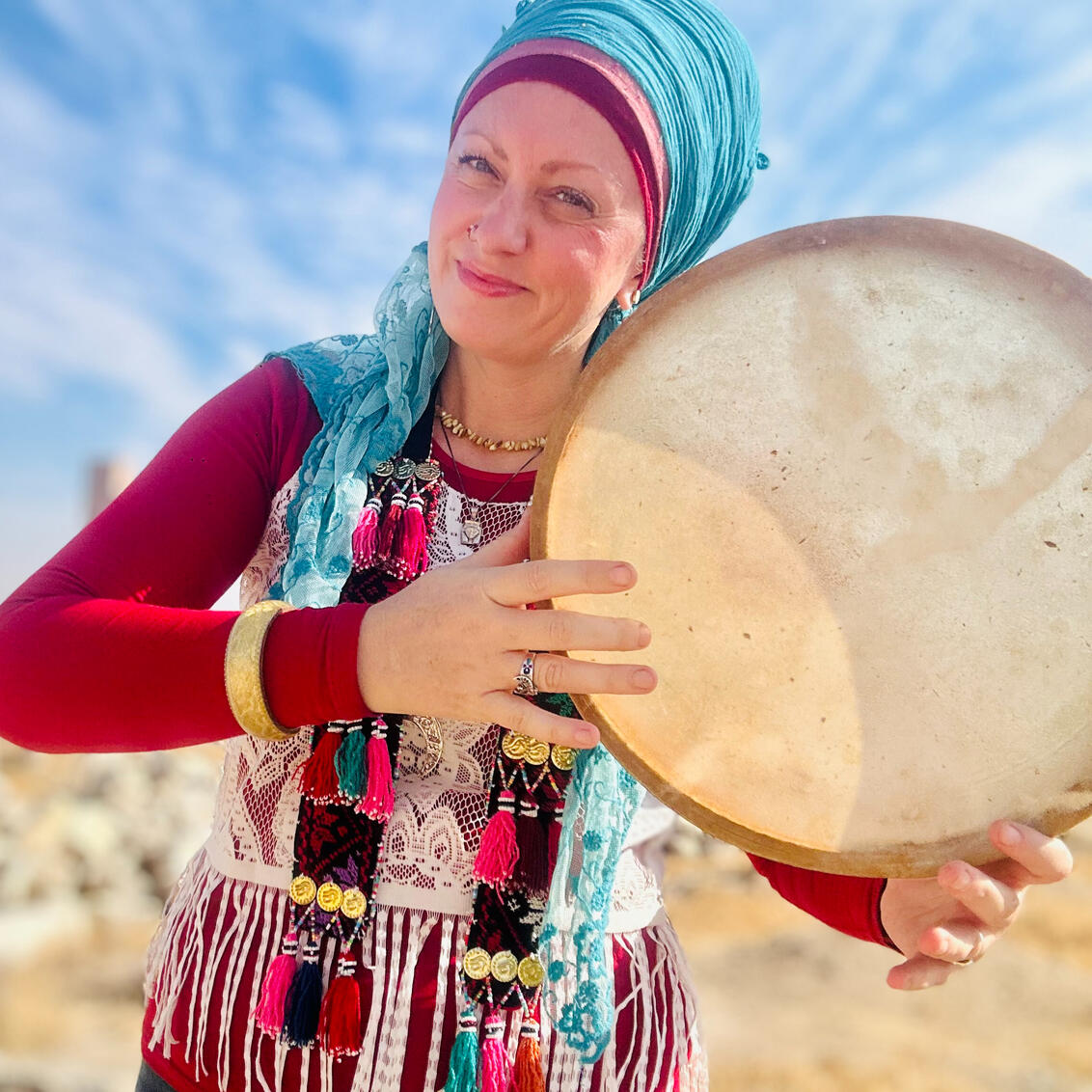
Ritual is not just worship.
It is healing for body and soul.
My work centers on ancient devotional practices as early forms of embodied sacred medicine within the desert religious traditions of Africa, the Middle East, and Central Asia.
By "embodied sacred medicine," I mean devotional practices that work directly with the human nervous system, perception, and orientation — not as belief, but as lived, regulating experience.When applied to the human body, these practices (such as prayer, chant, text recitation, bead counting, liturgy, iconography, meditation, holy day rituals, and dance) reveal measurable therapeutic properties. I believe such practices were never meant to be approached as religious tools alone, but as powerful technologies for human repair and evolution.My work functions as a bridge, linking this early and often overlooked form of medicine with modern needs. Through my roles as a sacred historian, archivist, votaress, artist, and musician. I translate ancient devotional practices into liveable medicinal forms (and platforms) that contemporary bodies can inhabit with dignity, while honoring the distinctive heritage of each practice.
Initially, I began this journey as a priestess. In this candid audio clip, I share my own somatic and emotional struggles that led me priestess work and to healing myself through "embodied sacred medicine."
One of the great joys of this work is empowering participants to become their own healers, and to strengthen their connection with ancestors who once lived inside these medicines. I also encourage participants to document the effects of each practice upon their physical life and perceived well-being.For five years, I ran an online temple and school devoted to embodied sacred medicine and feminine wisdom within Jewish and Christian traditions. My focus has now shifted to documenting and preserving lineages of embodied sacred medicine within pre-Islamic and Sufi contexts.I approach my work across lineages as a listener and archivist, not as an initiated authority. Desert Devotion serves as a container for exploration and transmission, and this site as a gathering place for my prior work.
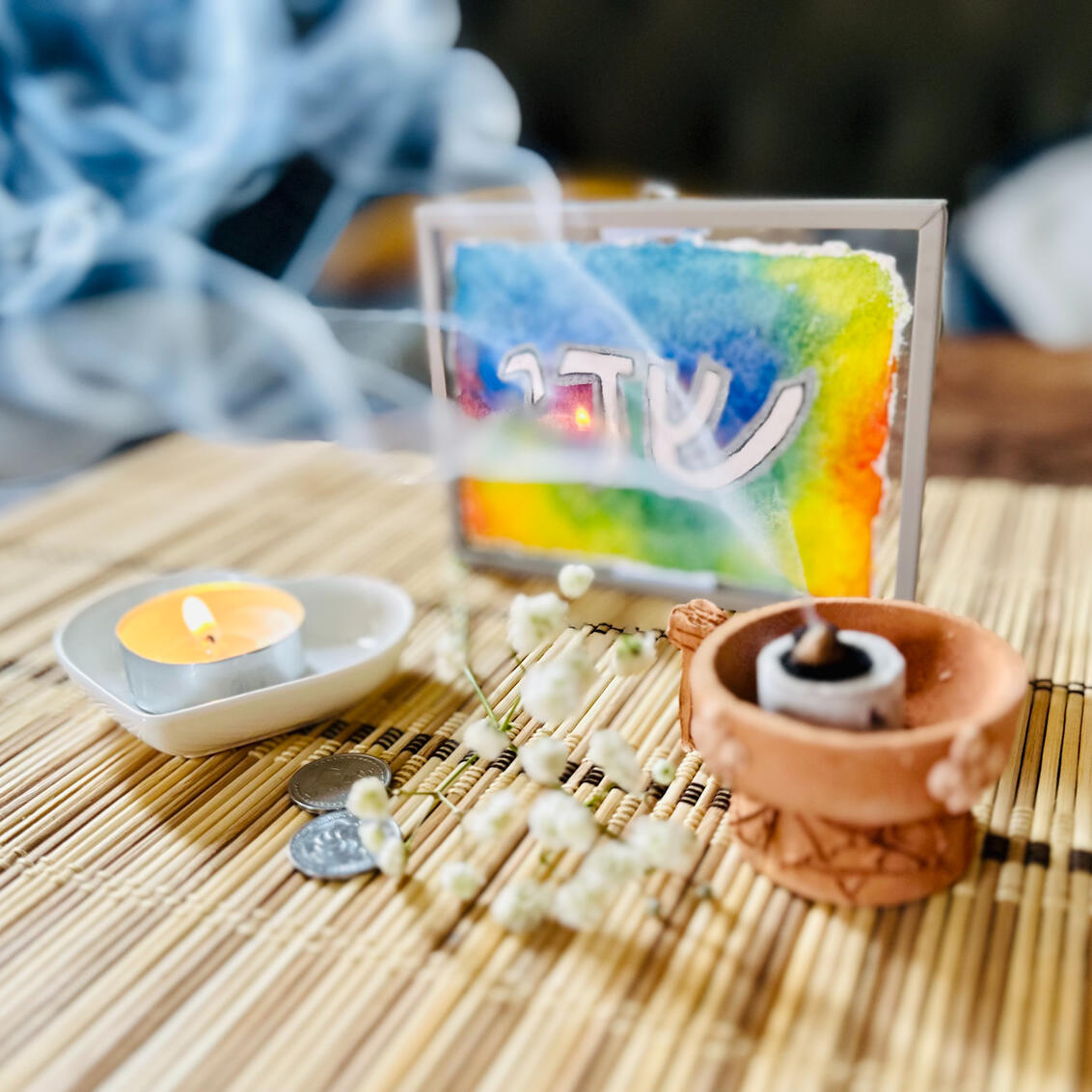
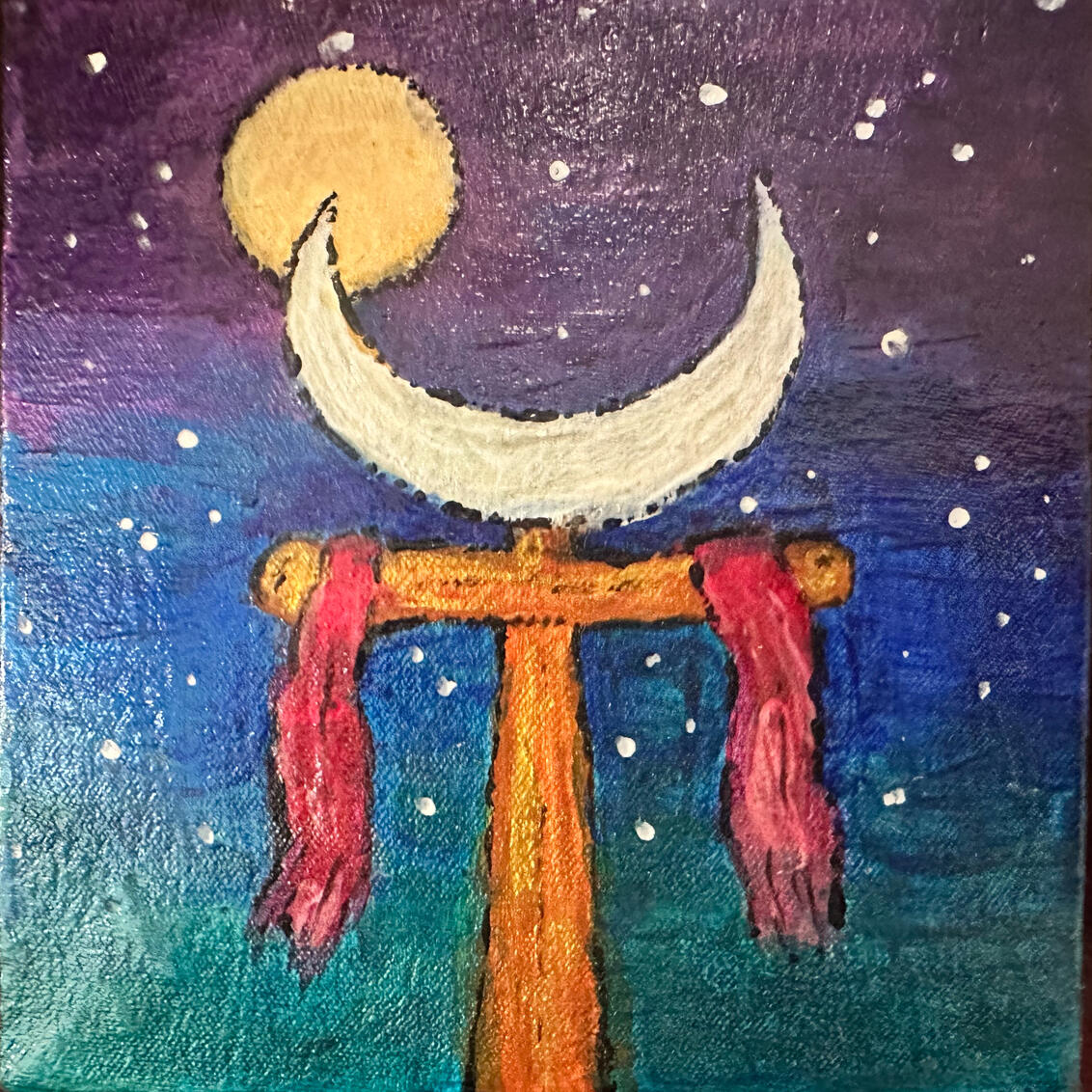
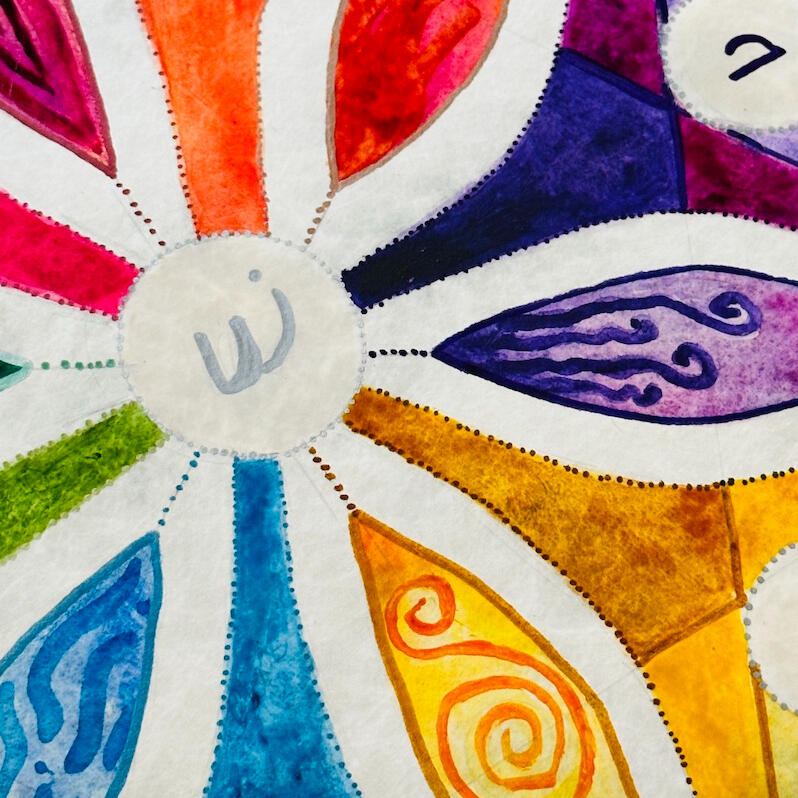
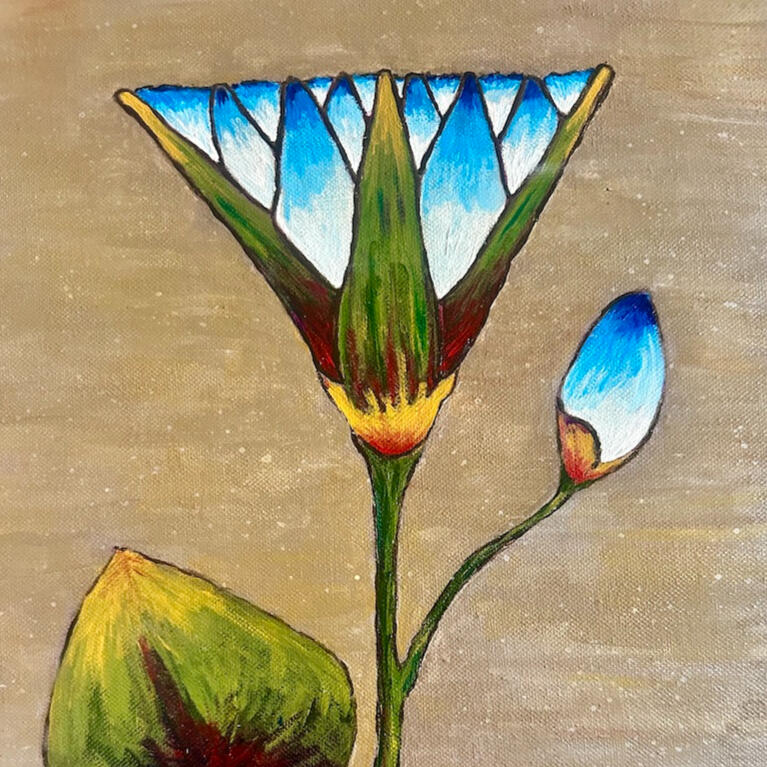
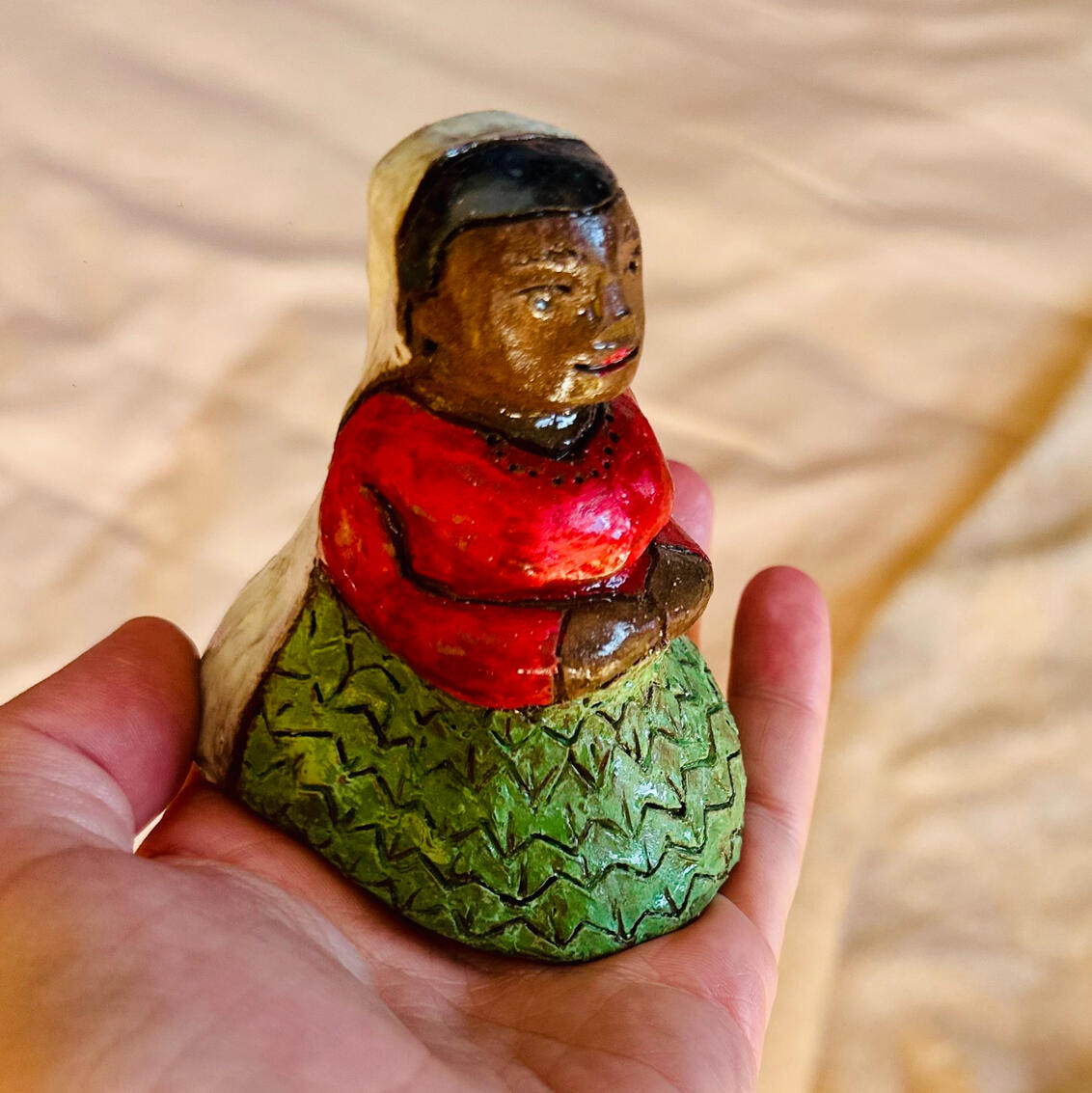
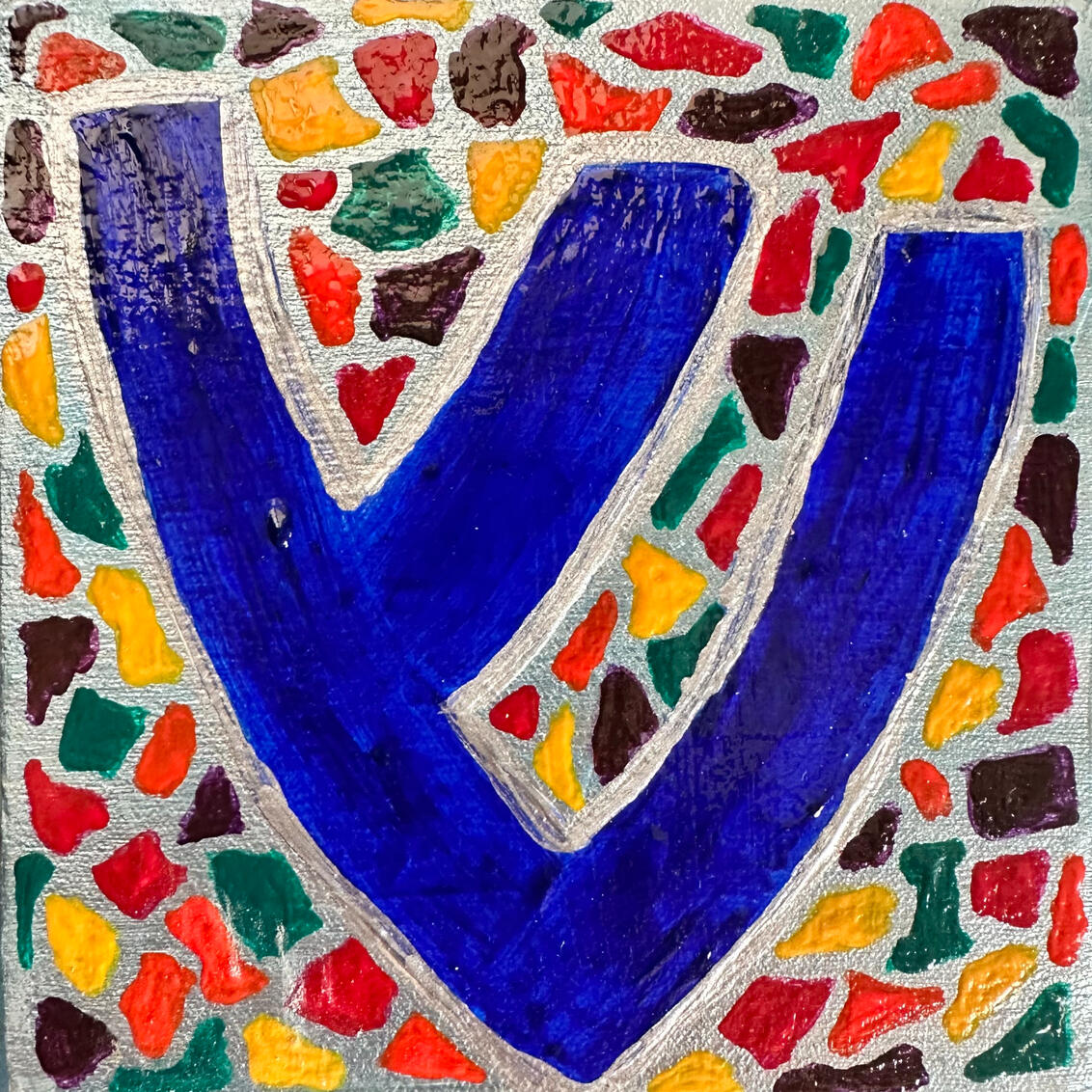
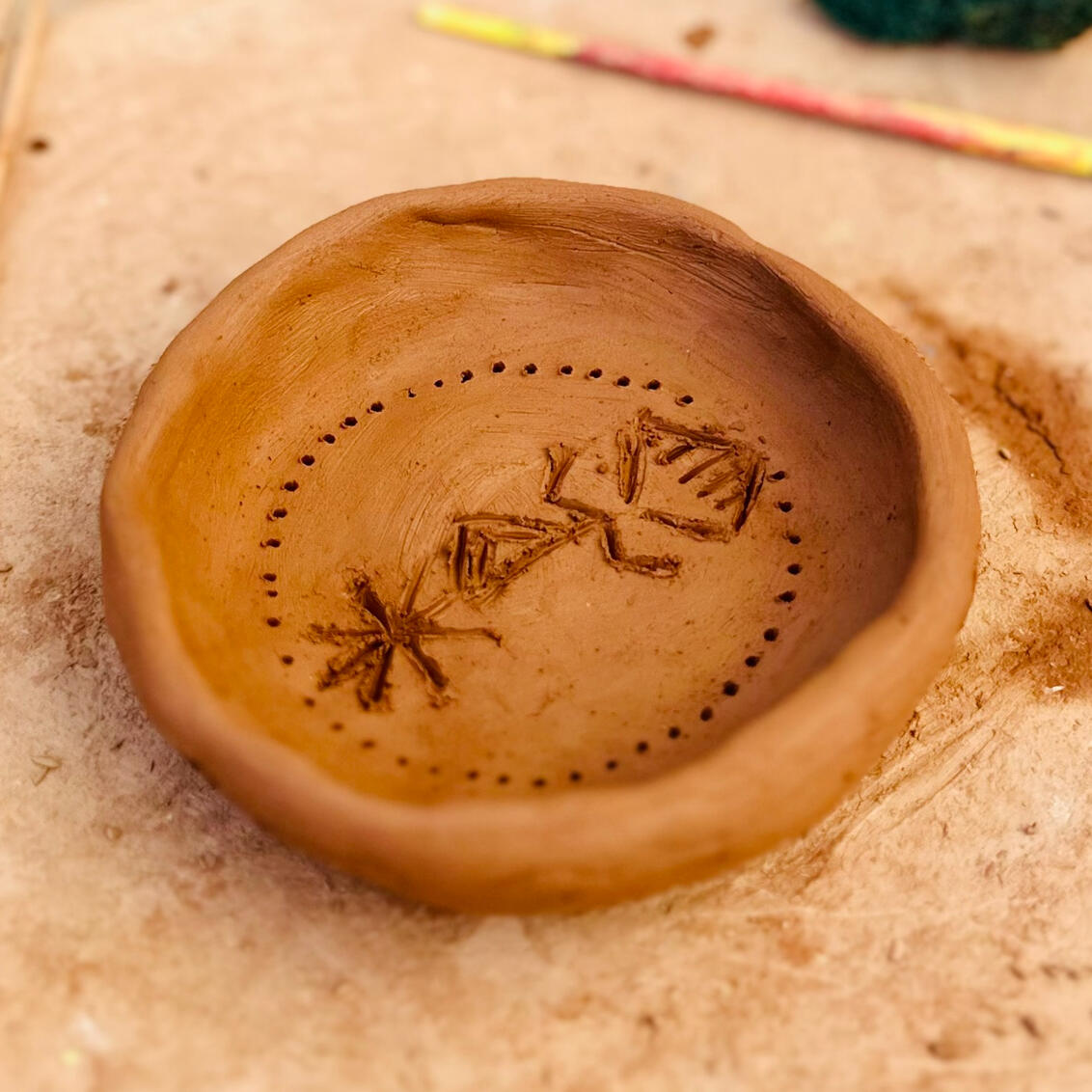
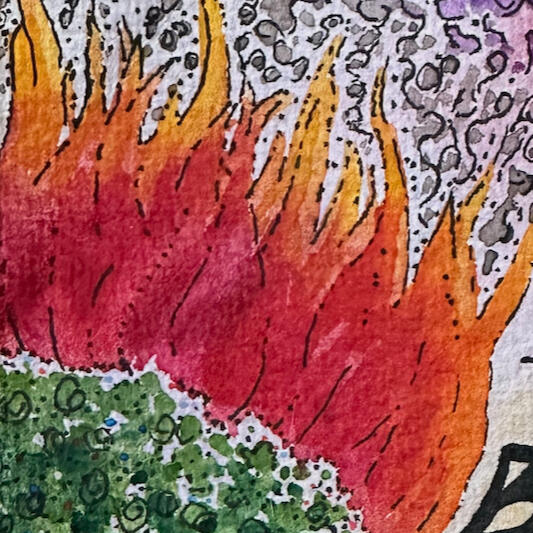
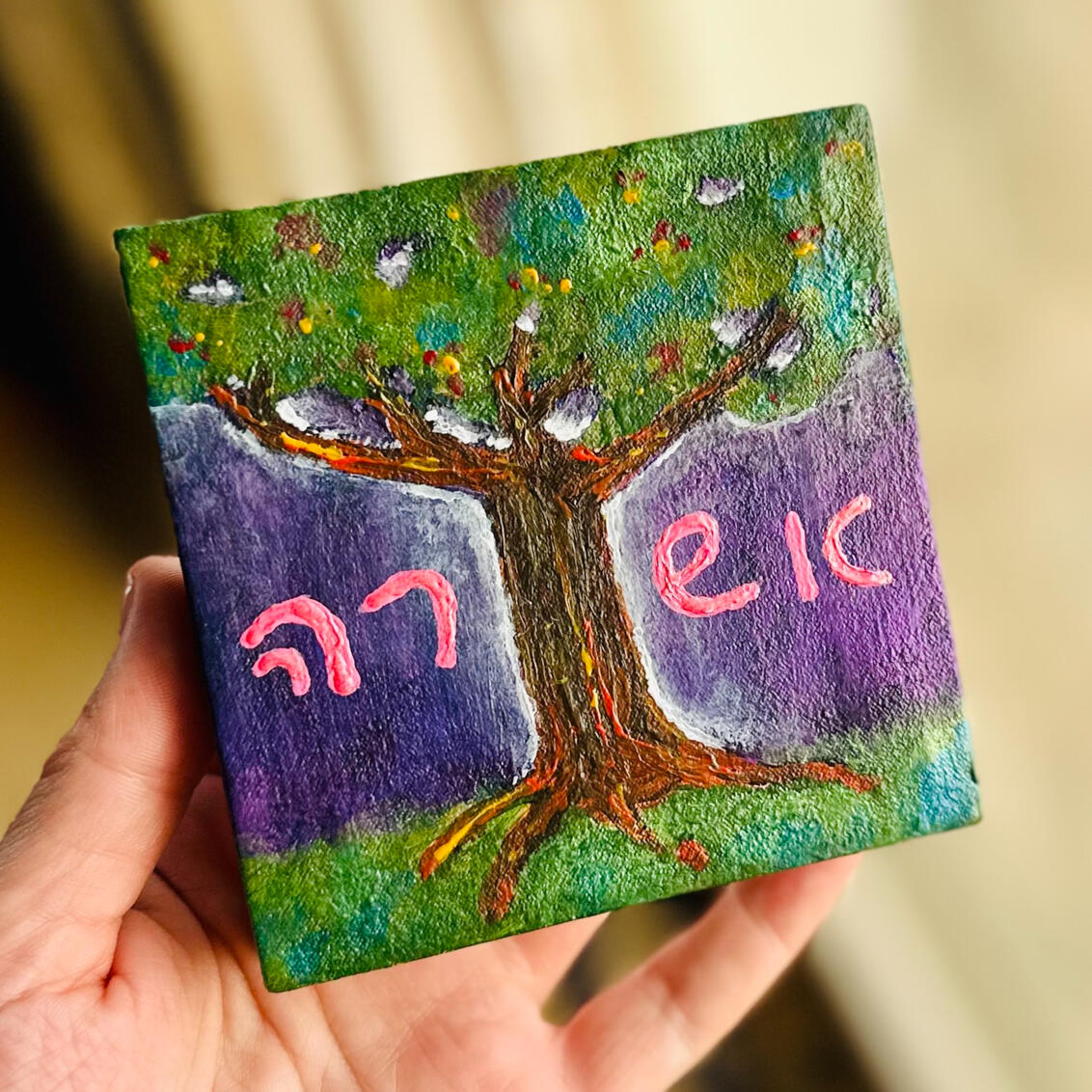
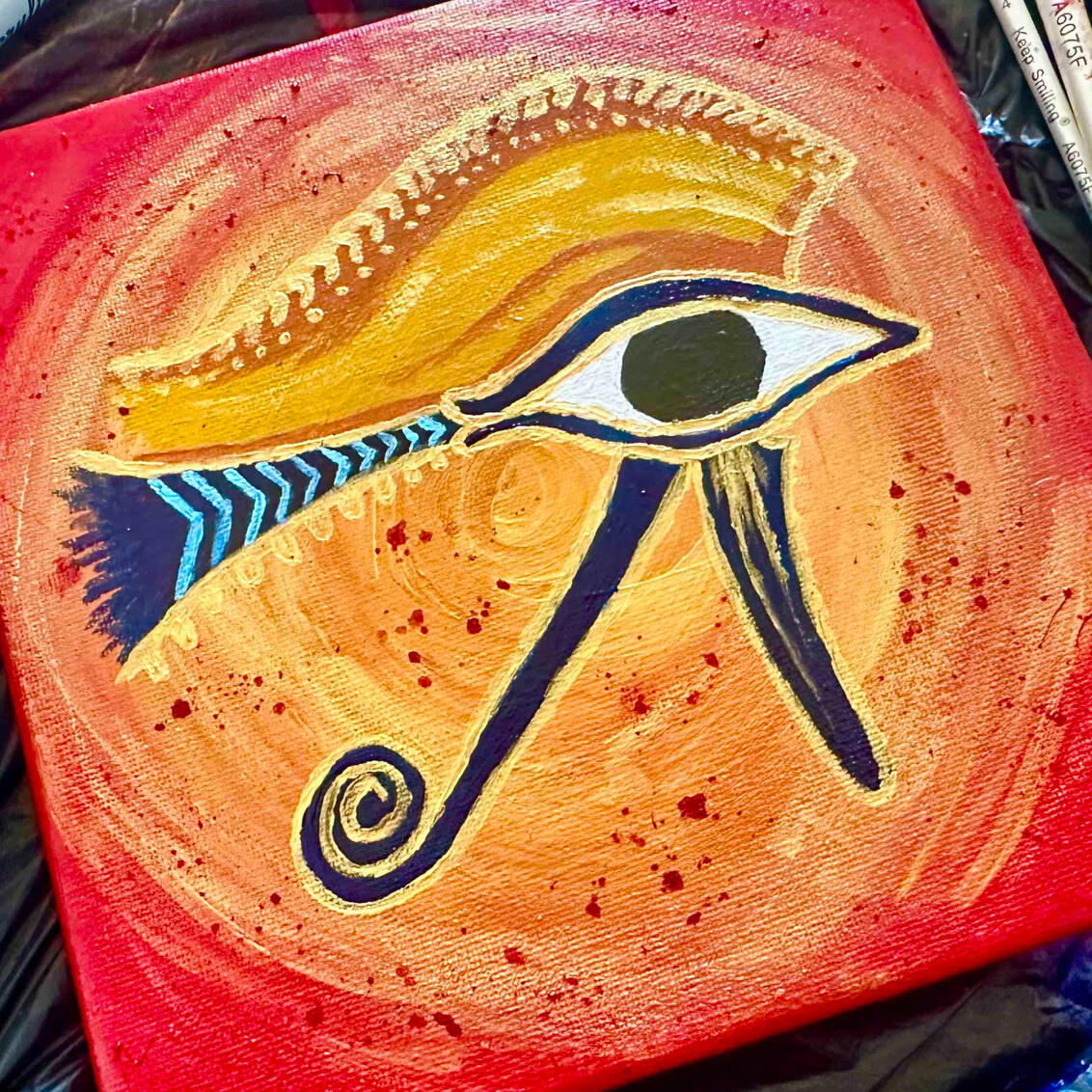
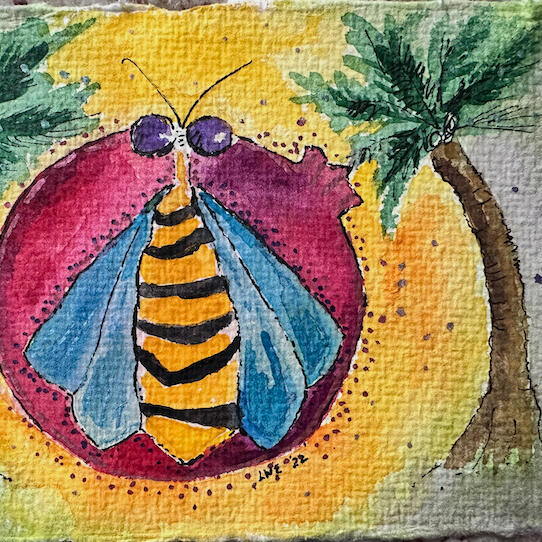
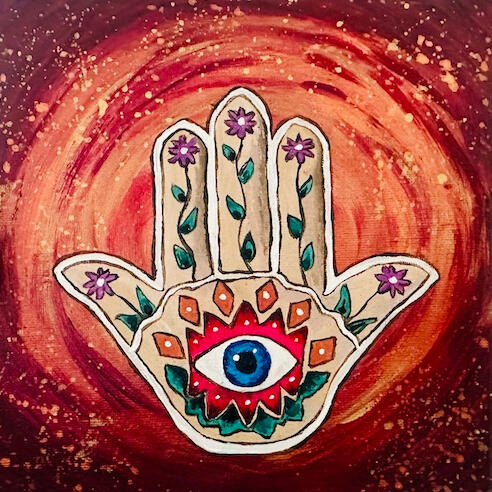
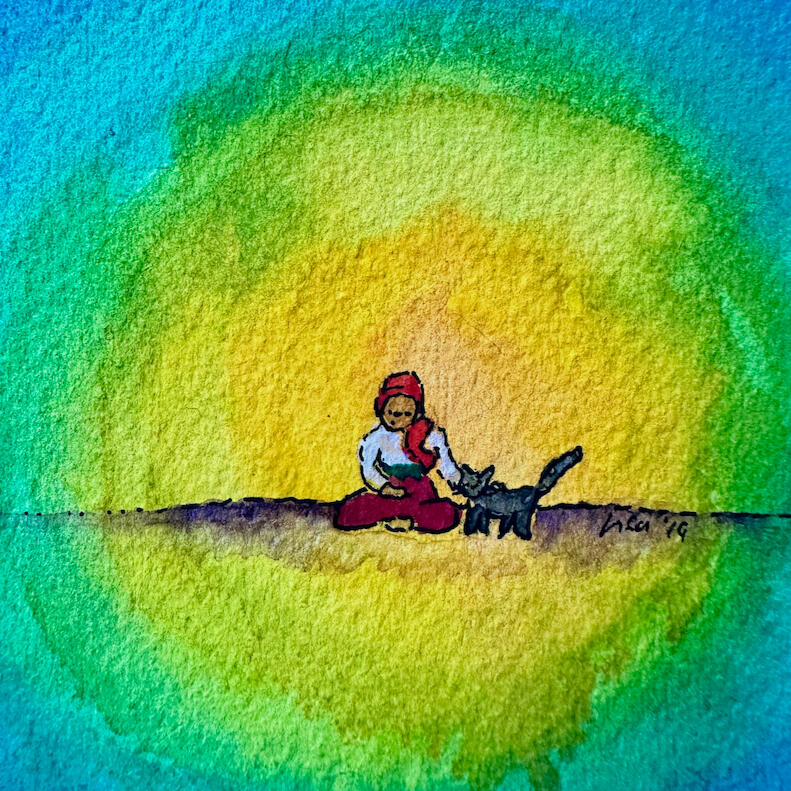
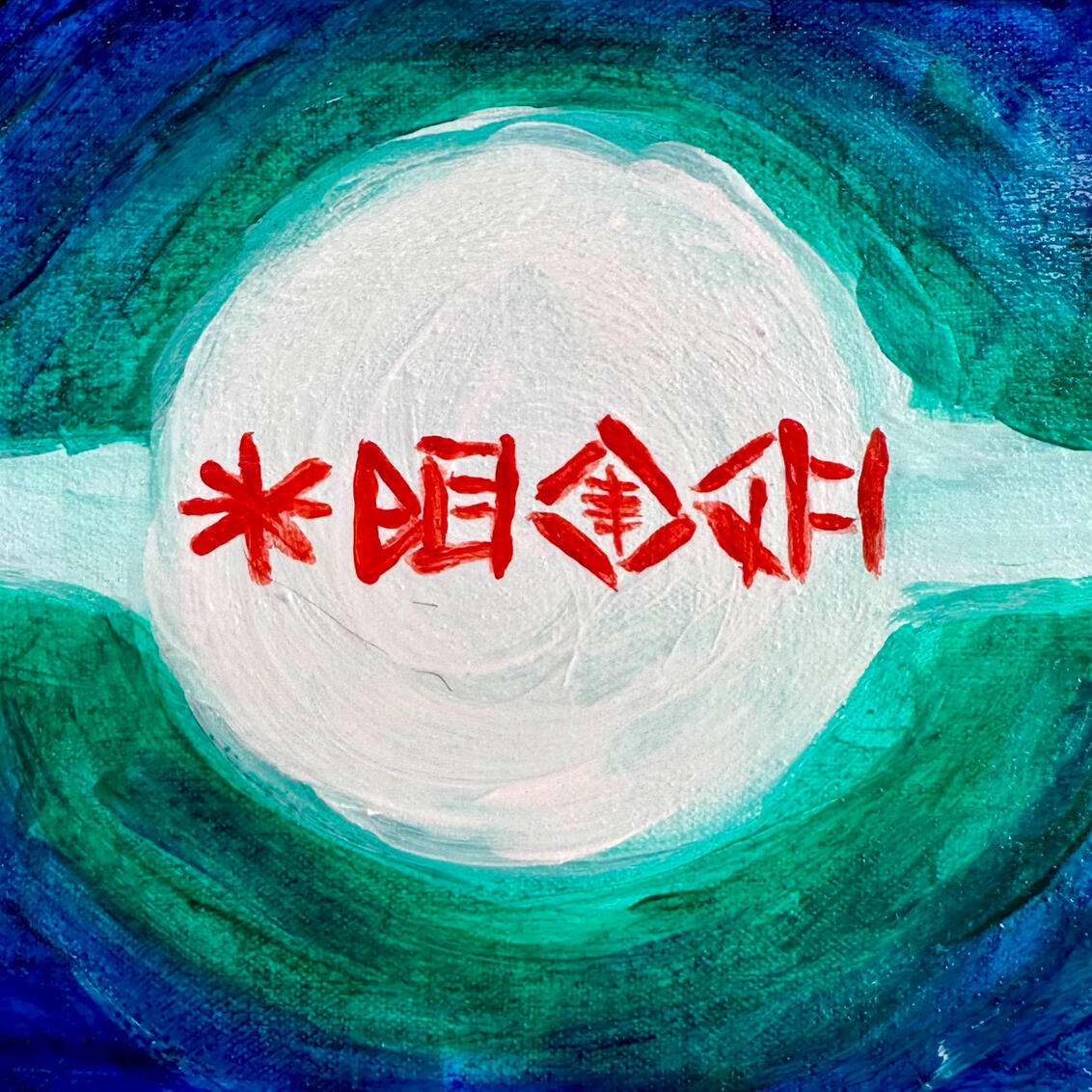
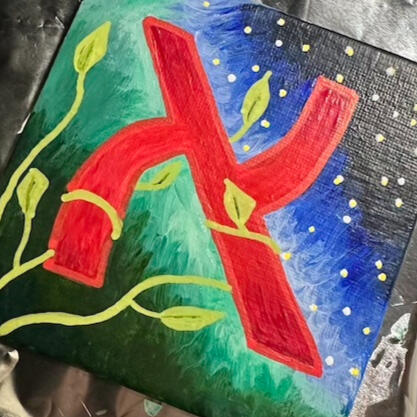
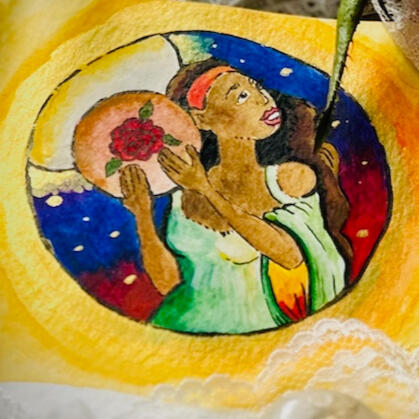
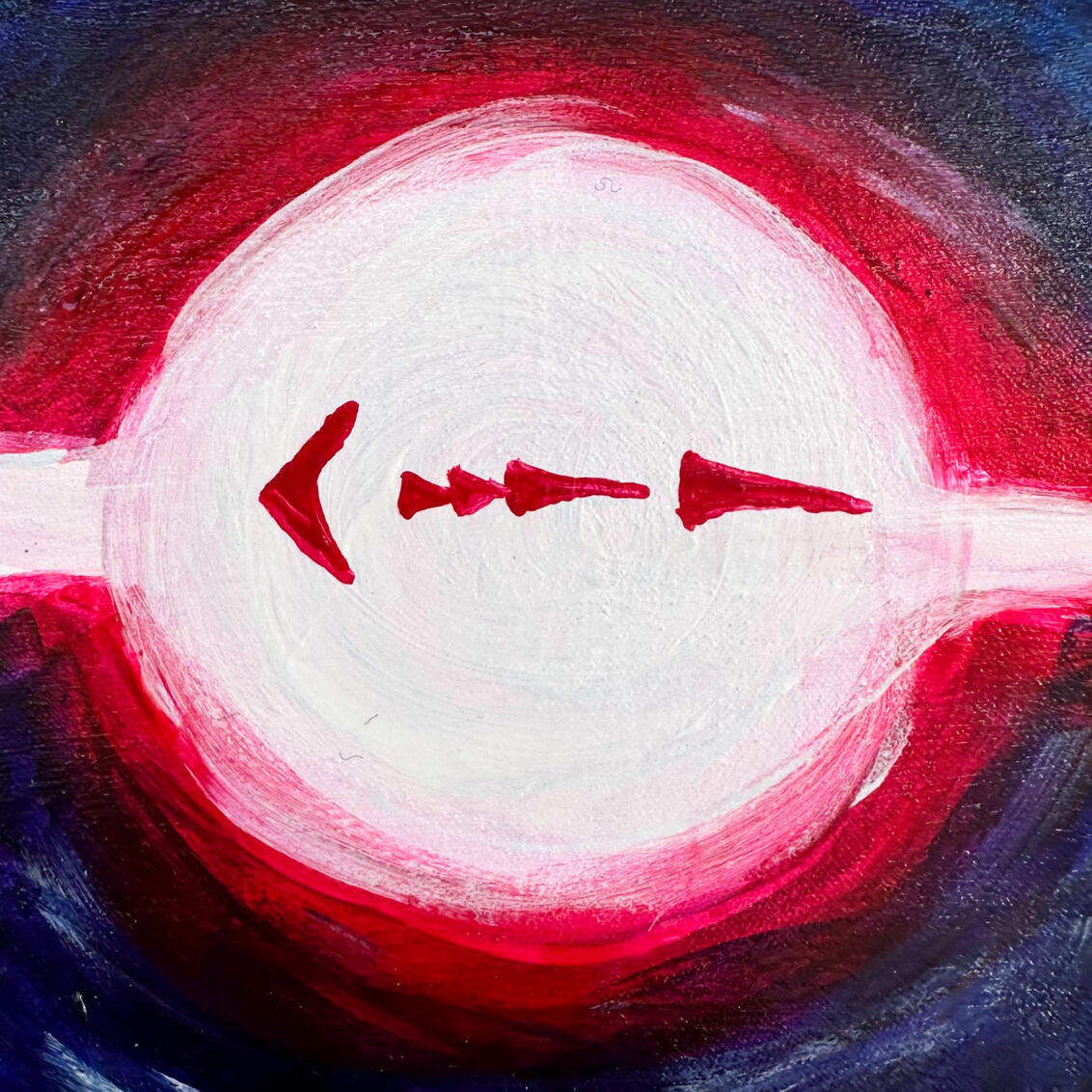
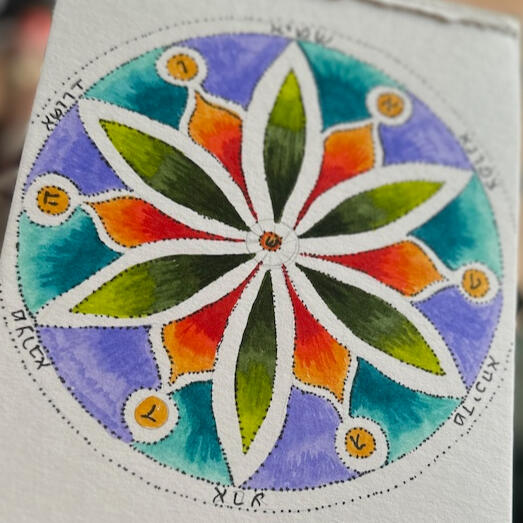
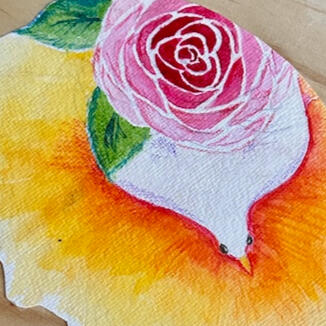
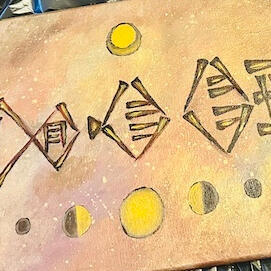
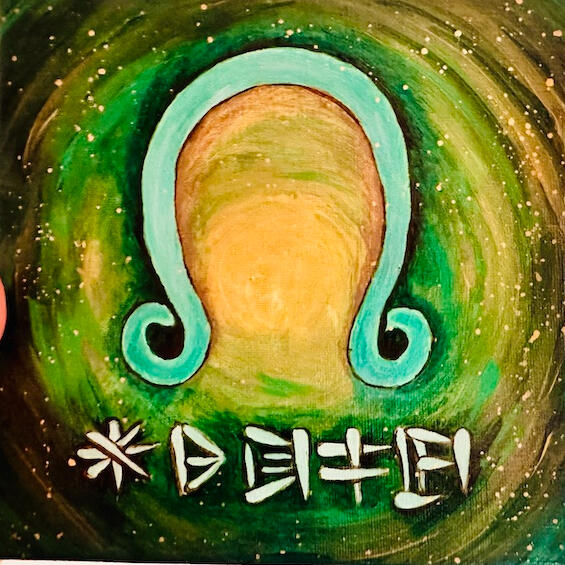
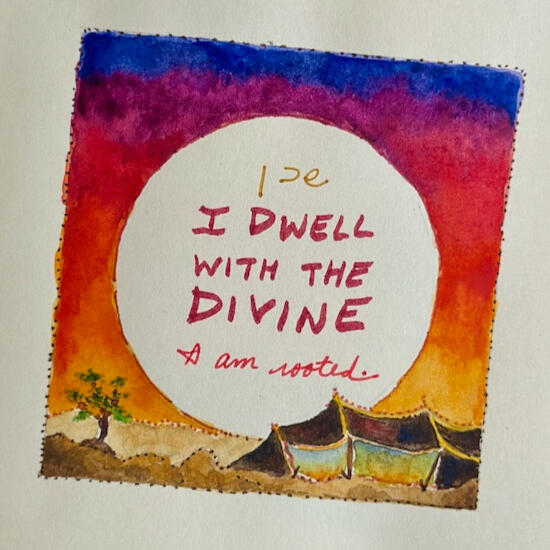
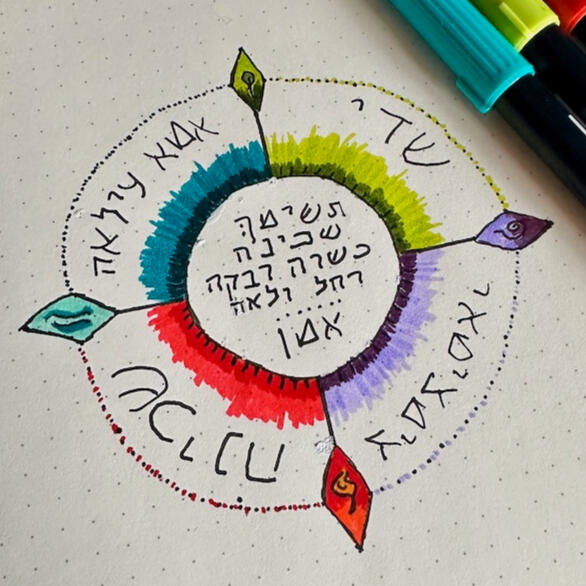
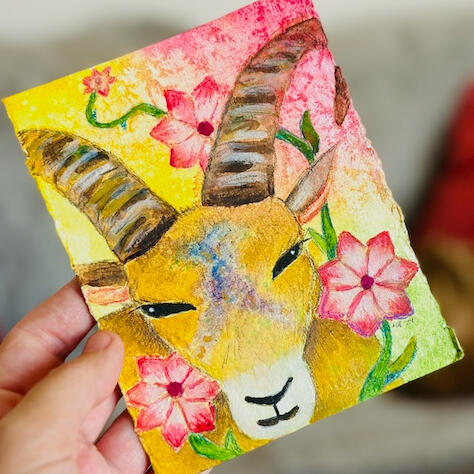
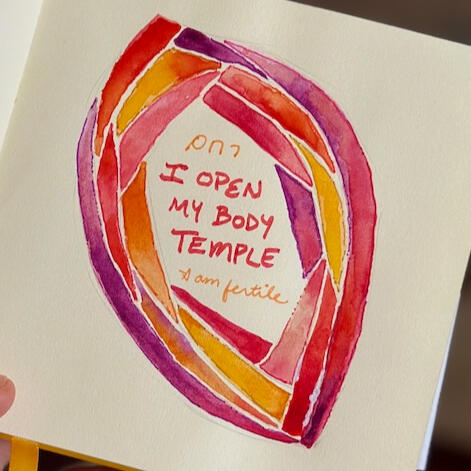
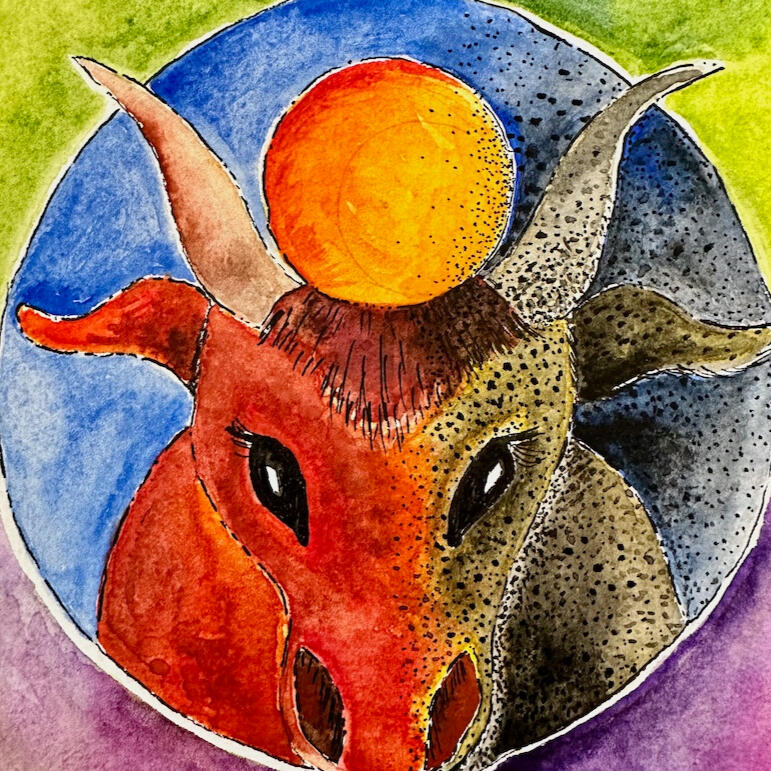
Visual Art
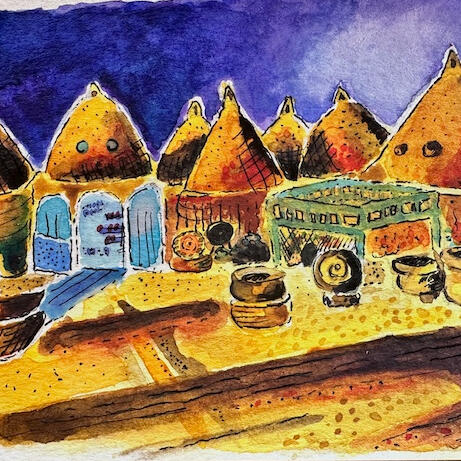
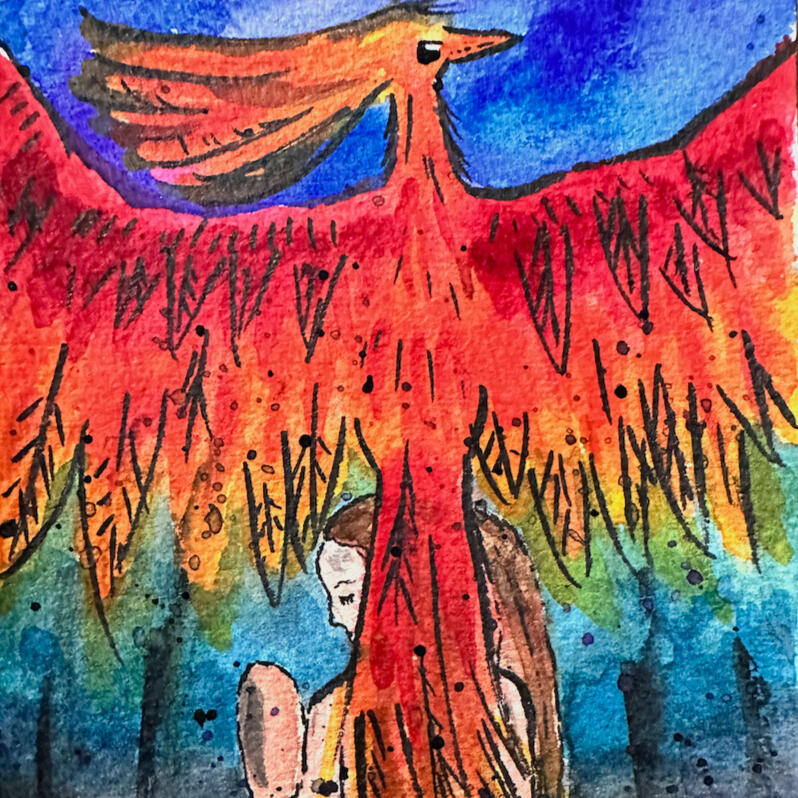
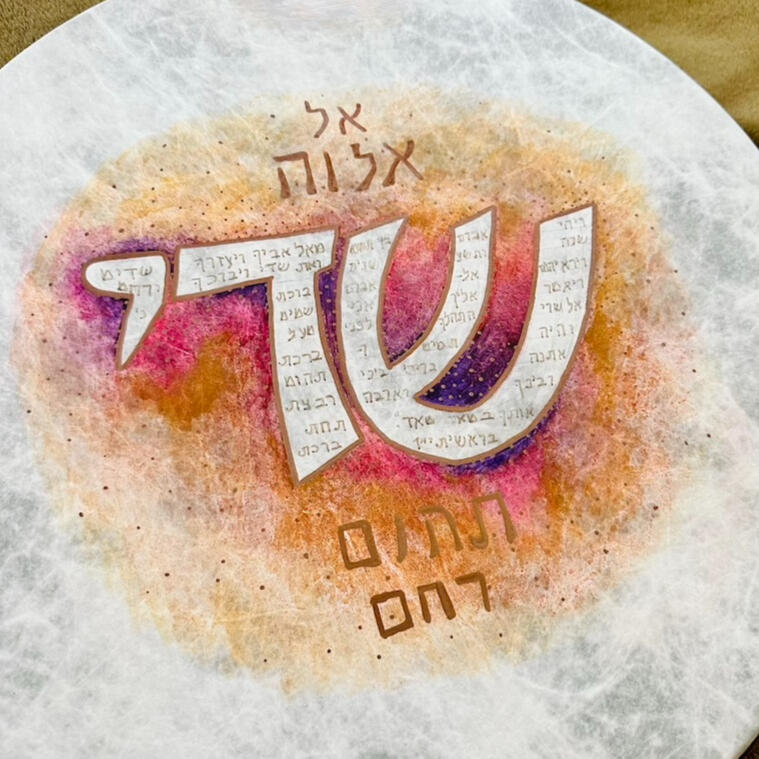
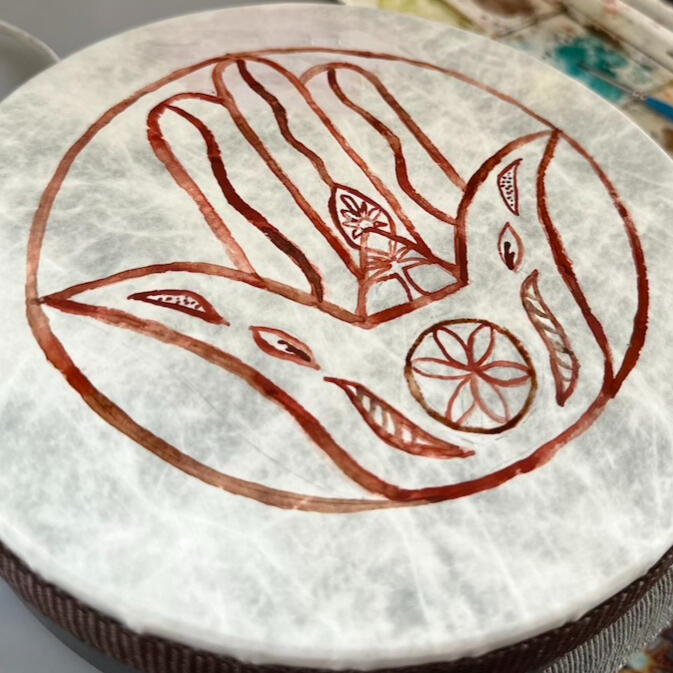
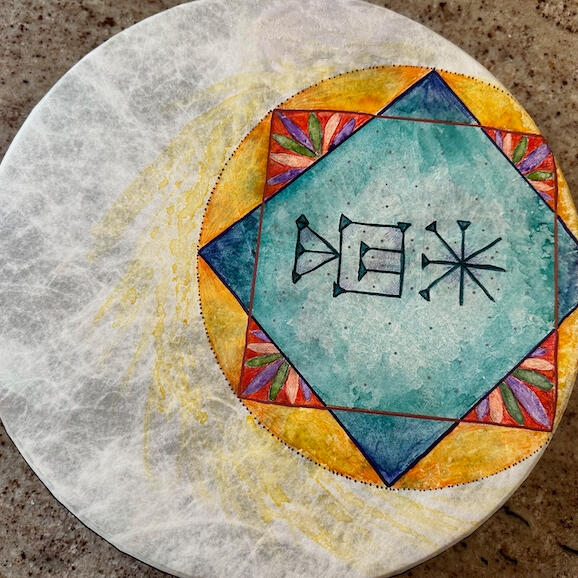
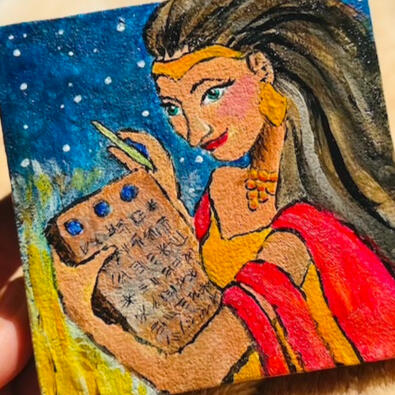
My work features themes from Jewish, Christian, and Muslim traditions, as well as Mesopotamian and Egyptian sources. Media include acrylics, watercolors, clay, and mixed media.
MUSIC & CHANT
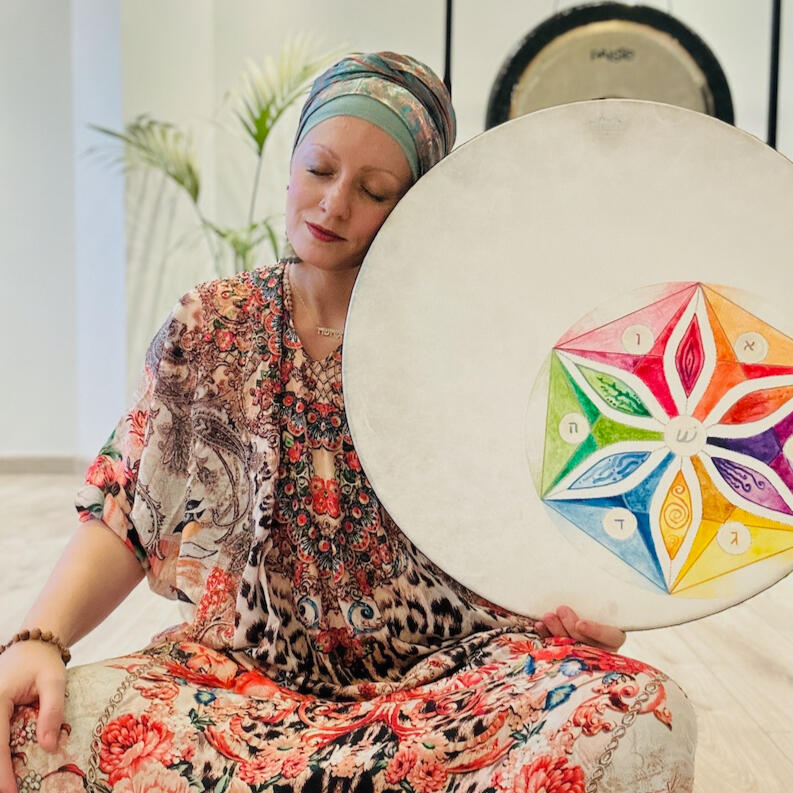
Over the years, I have developed many "medicine chants" in the sacred desert languages of Hebrew, Aramaic, Arabic, Sumerian, Akkadian, Babylonian and Canaanite.
These medicine chants employ the embodied sacred medicine of the human voice (vibrational healing), and many use Mesopotamian hand drum, which is particularly medicinal for the womb.
Enjoy a small sampling of the work, below:
Baruchot HaBa'ot Ushpizot va Ima'ot
Hebrew chant welcoming the matriarchs at Sukkot
Persian Daf Rhythm
A daf rhythm for grounding, confidence and presence
Wild Wandering Woman Chant
A 3 part song to celebrate women who follow the priestess call, set to the tune of the traditional spiritual 'Poor Wayfaring Stranger'
Ney Invocation
Turkish Sufi Flute music for innner peace and harmony
Earth Singer Chant
Voice and rattle, recorded live in a wadi in South Sinai
Eden Na Zu Incantation
An early Sumerian shamanic incantation for banishing emotional heaviness from one's body; contains the word for 'wide open spaces' that would later become the "Garden of Eden" in the Bible
Hand Drum Medicine Rhythm
A rhythm to stabilize feminine cycles and soothe / heal the womb
The Shaddai Invocation
A feminization of the divine blessing in Genesis 49:25
A Rattle Hymn to Hathor
A simple chant with shamanic rattle that uses actual epithets of the goddess Hathor (Hwt Hr) found within early Egyptian hymnody
A Hymn to the Goddess Nisaba
A chant from the original Sumerian -- for the goddess of seeds, scribes and stargazers, known for carrying her lapis lazuli tablet
Etz Chayim -- She Is the Tree of Life
A chant in Hebrew and English, celebrating the "Tree of Life" as a symbol of goddess presence in the text of the Hebrew Bible
Who Is She? (Song of Songs 8:5)
A Hebrew Chant from the book of Song of Songs, which describes the Lady (or the Goddess) coming up from the desert with her Beloved
Lineage Preservation
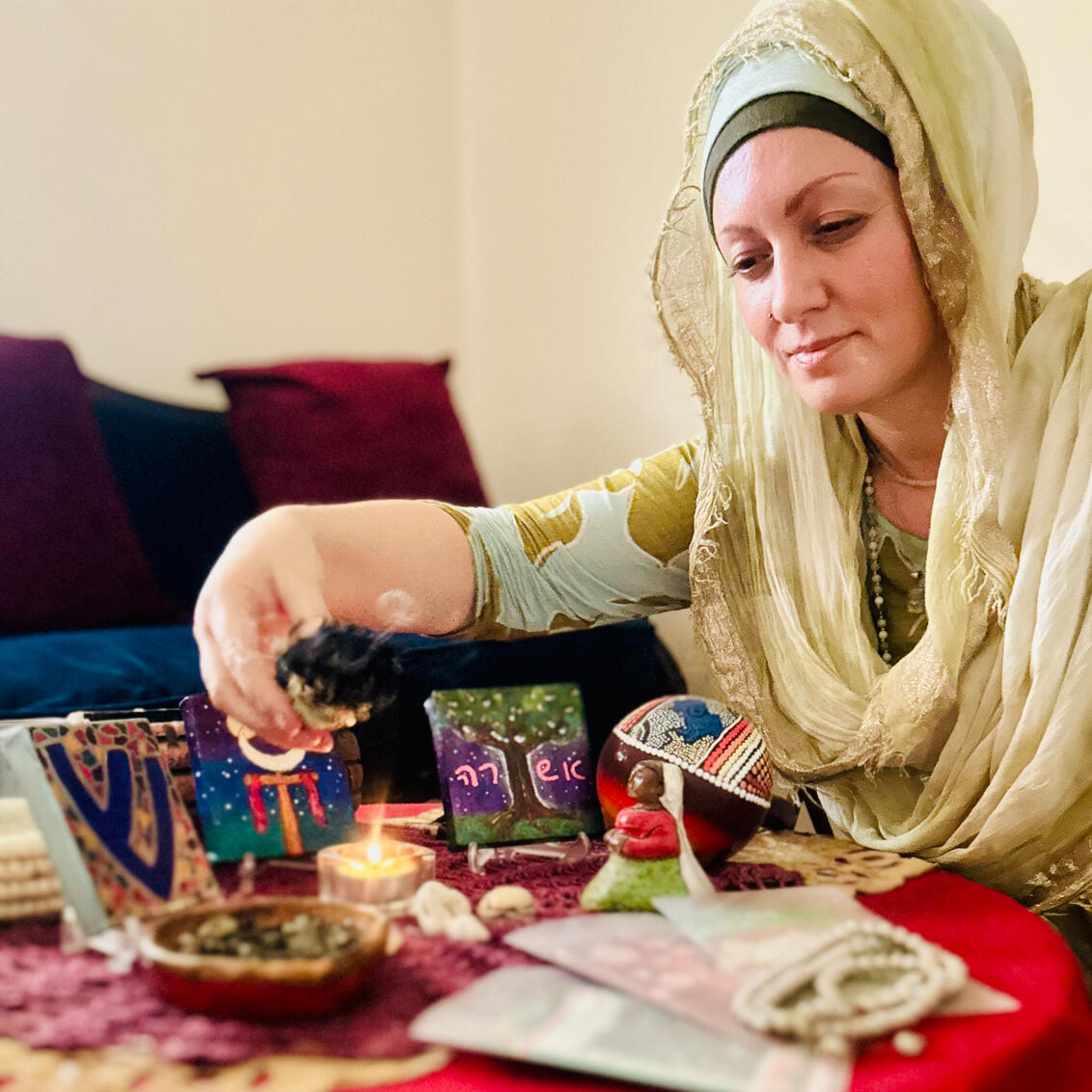
Since the completion of my temple work, I have transitioned to documenting and archiving Middle Eastern and medieval Silk Road lineages that transmit embodied sacred medicine.
Currently I am working with two lineages: one lunar and pre-Islamic (Mesopotamian) and one anchored in Central Asian Sufism.
I am also working on projects that highlight Jewish and women's voices and contributions within the world of medieval Islamic, Ottoman, and Central Asian music.
A full overview of my trajectory can be found here:
Eḫulḫul
(House of Rejoicing)
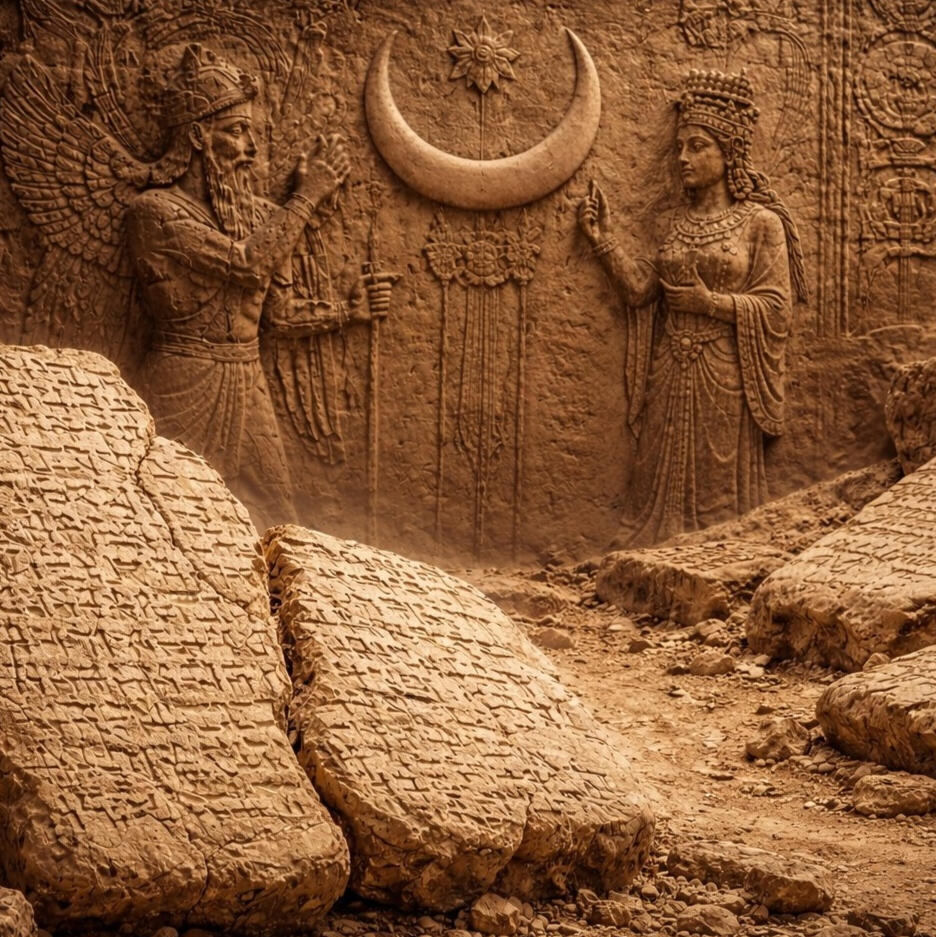
The Eḫulḫul project re-voices early Mesopotamian lunar devotion to Nanna-Sîn (𒀭𒋀𒆠𒍝𒈪) as a living system of embodied sacred medicine.Centered on the ancient moon temple of Harran, this work brings together hymnody, poetry, calendrical time, and ritual cosmology to explore how lunar practices once regulated rhythm, perception, and communal coherence.My role is preservational and devotional: gathering fragments, translating context, writing about a range of devotional medicines, and restoring legibility so these practices may be encountered as functional traditions rather than historical curiosities.
Visit the digital temple site where articles, essays and multimedia are housed:
Visit my personal site which explores my ancestral remembrance process and personal connections to Harran:
The Jewish Sufi Pilgrim
A Podcast Between Shul and Shrine
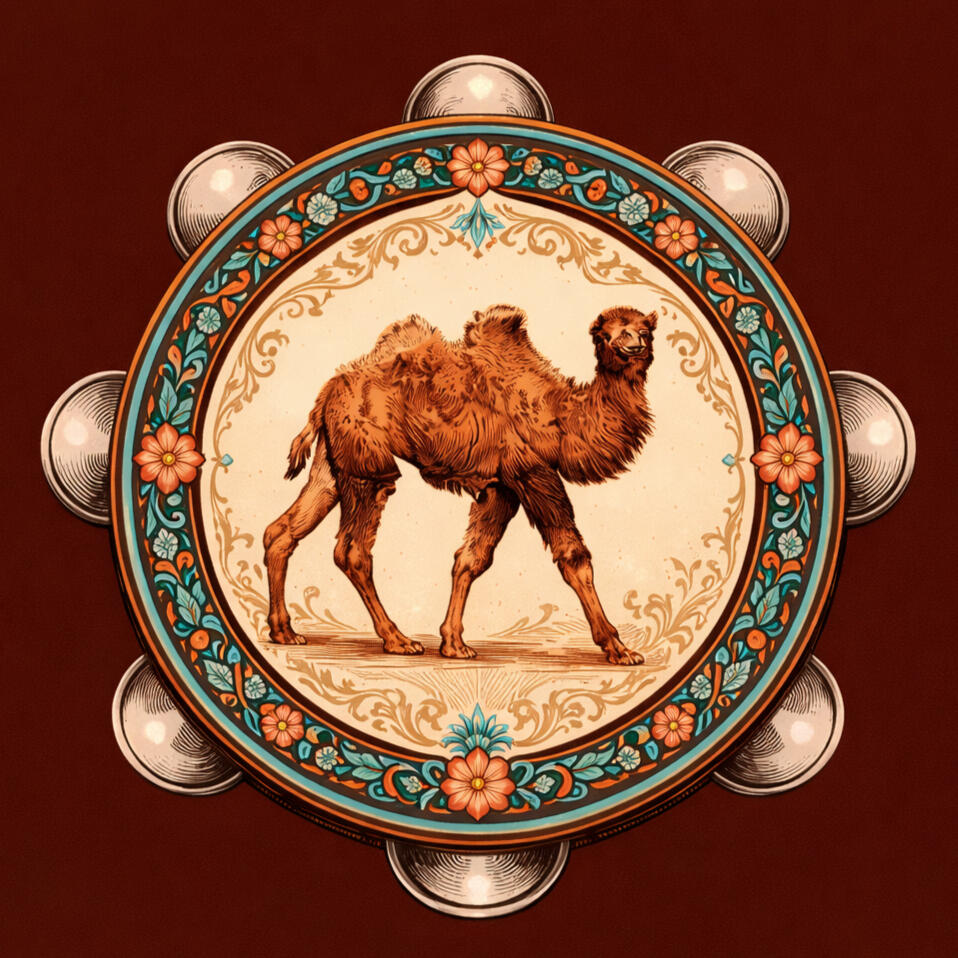
The Jewish Sufi Pilgrim Podcast joyfully explores the shared spiritual and soundscapes of Jewish and Islamic mysticism.Writer, musician, and independent scholar Lisa England traces the paths where Jewish mystics, Sufi seekers, poets, and musicians met across the Silk Road and the medieval Islamic world. Through history, poetry, sacred music, sacred text, and spiritual philosophy, each episode deepens one central question:What does it mean to walk the path of devotion across (or between, or in the margins of) confessional lines?From Abraham Abulafia and Yunus Emre to Mevlevi dhikr and Judeo-Persian poetry; from Moses de Leon and Ibn Arabi to the Zohar, the Masnavi, and the music of Central Asia — this podcast follows the living threads that connect Jewish and Sufi spirituality.Episodes are released as part of an ongoing exploration of Desert Devotion.Transcripts and essays can be found here:
Turkish Music Therapy
The Intersection of Shamanic and Sufi
Sound Medicine
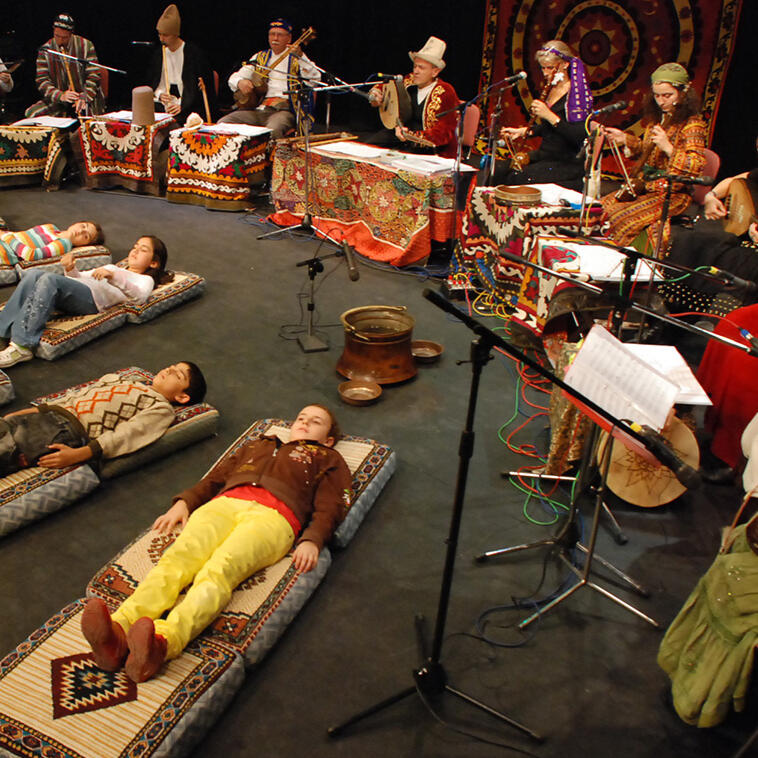
This work documents and orients the lineage known as Turkish Music Therapy (or Chorasan Music Therapy) as a form of embodied sacred medicine rooted in listening, makam, and rhythm.Drawing from Sufi, Central Asian, and Ottoman sources, and articulated in modern times by Dr. Rahmi Oruç Güvenç, this lineage understands sacred and traditional sounds as a force capable of repairing and organizing the human organism when approached with discipline and care.My role is archival and contextual, supporting English-speaking audiences to approach this valuable tradition with accuracy, humility, and respect, without abstraction or dilution.
Visit an English shrine to the Sufi sheikh, shaman and lineage keeper, Dr. Rahmi Oruç Güvenç:
Visit a site dedicated to a short, comprehensive orientation of Turkish Music Therapy in English:
Visit the Substack community with regular multi-media entries exploring facets of the approach:
Courses & WORKSHOPS
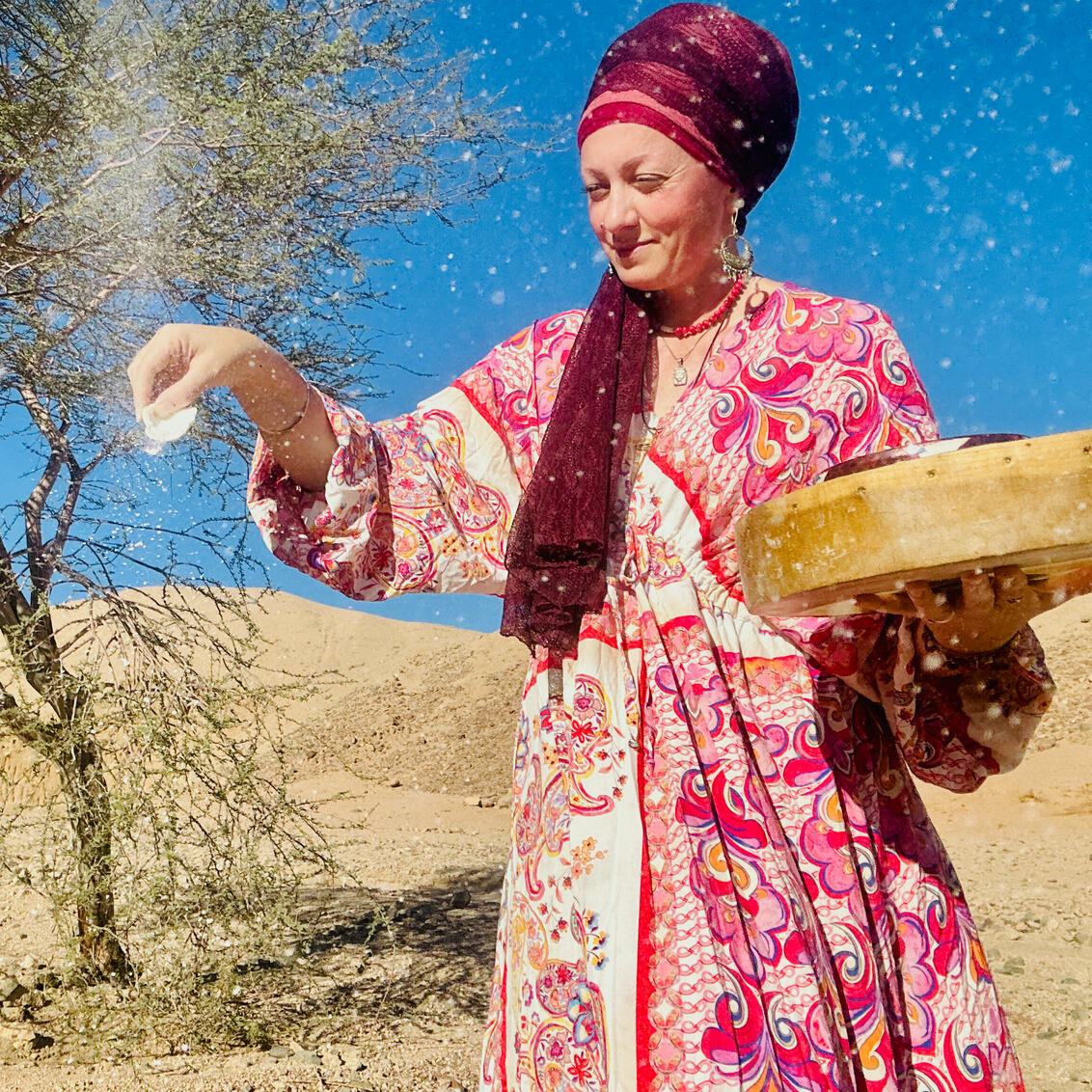
The following educational offerings were created for the online School of Divine Radiance.
All include a combination of audio or written study, and live or recorded online ceremonies featuring embodied sacred medicine.
Courses
MOTHERS, MYSTICS &
MEDICINE WOMEN
Feminine Spirit Guides
from the People of the Book
A ceremonial experience composed of 6 two-hour live ceremonies, featuring feminine spiritual ancestors from early Mesopotamia, Judaism, Christianity and Islam. Includes guidance for developing spirit guide relationships.
WOMEN AT THE WELL
Water priestess medicine
from the Abrahamic traditions
A ceremonial experience composed of 6 two-hour live ceremonies, featuring watering priestess magic from Judaism, Christianity and Islam. Plus, shamanic connection with Zipporah, Miriam and Hagar as water priestesses.
MESOPOTAMIAN MOONS
A 13-month journey through
the oldest Near Eastern calendar
A ceremonial offering with a 90-minute monthly teaching and ceremony calibrated to the calendar of the Ur II Dynasty in early Sumer. Includes chant in Sumerian and Akkadian, as well as movement practices and journaling.
BASIC DEVOTIONAL FRAME DRUM
A workshop to launch
your drum medicine practice
Calibrated for beginners on the frame drum, this course teaches basic strokes, fingering, and medicine rhythms from the desert traditions. Make frame drumming a part of your daily routine for healing and blessing.
SARAH, THE BIBLE'S FIRST PRIESTESS
Unearth Goddess wisdom
from the earliest biblical mother
A close reading of the Book of Genesis reveals many strange details from the story of Sarah, wife of Abraham. These details are most satisfactorily solved by framing her as a Mesopotamian priestess. Come meet our "temple mother."
HEBREW MOONS
A 13-month journey through the
Israelite and Jewish calendars
A ceremonial offering with a 90-minute monthly teaching and ceremony calibrated to the lunisolar calendar embraced by Judaism and originating in early Israel. Includes chant in Hebrew as well as movement and journaling.
LADY OF ALL POWERS
Activate your body as the
vessel and voice of the Goddess
A ten-module exploration of the En priestess tradition in Mesopotamia, which produced the world's first author recorded by name, Enheduanna. Learn chants and practices from the lineage to activate your own creativity and expression.
DEVOTED
Soul-Aligned Sales and Marketing
for Women in Temple Business
A three-month practical container featuring a blend of online marketing and sales training, plus practical and personal oversight of one launch per student, developed and deployed in real time based on the structure taught.
SHE WHO JOURNEYS
Design Your Own Solo Pilgrimage Anywhere
Learn how to design your own solo, soul-led pilgrimages to sacred sites around the world. This workshop is packed with resources, reassurances, and travel wisdom. No (more) expensive tours required just to visit sacred land.
26 NAMES FOR GODDESS
A Weekly Study of Her Holy Presence
in the Pages of the Hebrew Bible
This groundbreaking study collects the last 30 years' research on the Goddess names recorded in the Hebrew Bible. Attention is also given to Divine names that have left an imprint. Ceremonial embodied medicine included.
THE SHADDAI INITIATION
Activate the Primal Feminine Power
of Abraham's Original Goddess
An intensive shamanic deep-dive into the "earthy archetypal trifecta" of the Dark Goddess, Sex Priestess and Wild Woman — as embodied by Abraham's goddess Shaddai and the Hebrew matriarchs in the biblical book of Genesis.
HEBREW/ARAMAIC ALPHABET CHANT
Unlock Divine Feminine Wisdom
With 22 Ancient Mystical Letters
The letters of the Hebrew / Aramaic alphabet have long been considered cosmic codes that unlock wisdom and Divine connection. This experience contains 22+ hours of Hebrew and Aramaic chant, one hour per alphabet letter.
TENT KEEPERS
A Mesopotamian Priestess Intiation
with the Hebrew Matriarchs of Genesis
My most intensive program, featuring 20+ hours of teaching and 20+ hours of ceremonial gatherings with embodied sacred medicine. Discover Sarah, Rivkah, Rachel and Leah as Mesopotamian priestesses, and enter their lineage.
RHYTHMIC REUNION
Twelve Powerful Medicine Rhythms
for Desert Frame Drum
A more in-depth frame drumming workshop, teaching basic strokes and their medicinal properties; fingering technique; and advanced healing wisdom from desert traditions of Egypt, Persia, Türkiye, Arabia, and the Levant.
Workshops
EMBRACING THE BELOVED
The Mystical Feminine Medicine
of the Rose in Hebrew Tradition
An afternoon workshop with body practices, Alef-Bet yoga, altar-making and essential oils — infused throught a historical exploration of the rose as a feminine and mystical symbol throughout Hebrew and Jewish tradition.
GODDESS NAMES AS SOUND PORTALS
Chant Divine Feminine Names
as "Doorways" to Healing
In all the desert spiritual traditions, chanting Divine Names has been a powerful and time-honored somatic healing practice. In this workshop, we apply the practice to lesser-known Goddess Names from the ancient Near East.
THE GODDESS & THE SHEPHERD
Encounter the "Shepherd King" --
the Erotic Divine Masculine
What do Psalm 23 and ancient Sumerian erotic poetry between a god and his lover have in common? The Shepherd King. Come re-read this beloved song in the erotic voice of the Goddess, and apply it as ancient "Psalm Magic" to heal feminine pain and distrust against masculine energy, men and "God."
MEET ME IN THE GROVE
Trees, Oracles and Ima Ila'a
(the Great Mother) in the Bible
For several Jewish holidays, including the now-solemn Yom Kippur, the sages say that in ancient times, Israelite women danced in sacred groves. Travel back in time, to discover merry-making and marriage-making in the name of Goddess.
72 NAMES OF GOD ATTUNEMENT
A personal energy activation
with sacred Kabbalist wisdom
Learn how to activate your own energy field, second sight, and spiritual wisdom, with an ancient formula of 72 Divine Names from the Book of Exodus. This workshop includes both the teaching and guided attunement process.
DESERT SHAMANIC JOURNEY
Rattle and Drum Your Way to
Insight Through Earth Medicine
Recorded live in the desert of South Sinai, this step-by-step experience guides you through making a shamanic connection with the earth and leading yourself through a shamanic journey with simple, traditional instruments.
SERAI: THE ECSTASY OF DIVINE UNION
Experience the Balancing Wisdom of
Divine Union During Libra Season
This is not the "religious" idea of union that says we are in separation... but the mystical feminine experience of union with All That Is. Come chant, sing, pray, and move into deeper Union with practices from Muslim and Jewish Persia.
SERAI: A BLESSING IN HER HANDS
Discover the Feminine Medicine of Hamsa,
from the Desert Spiritual Traditions
Since the temples of early Mesopotamia, the Hamsa — the Hand of the Goddess — has been a feminine sign of blessing and protection across the desert, invoking Her power even long after Her name was forgotten.
Books
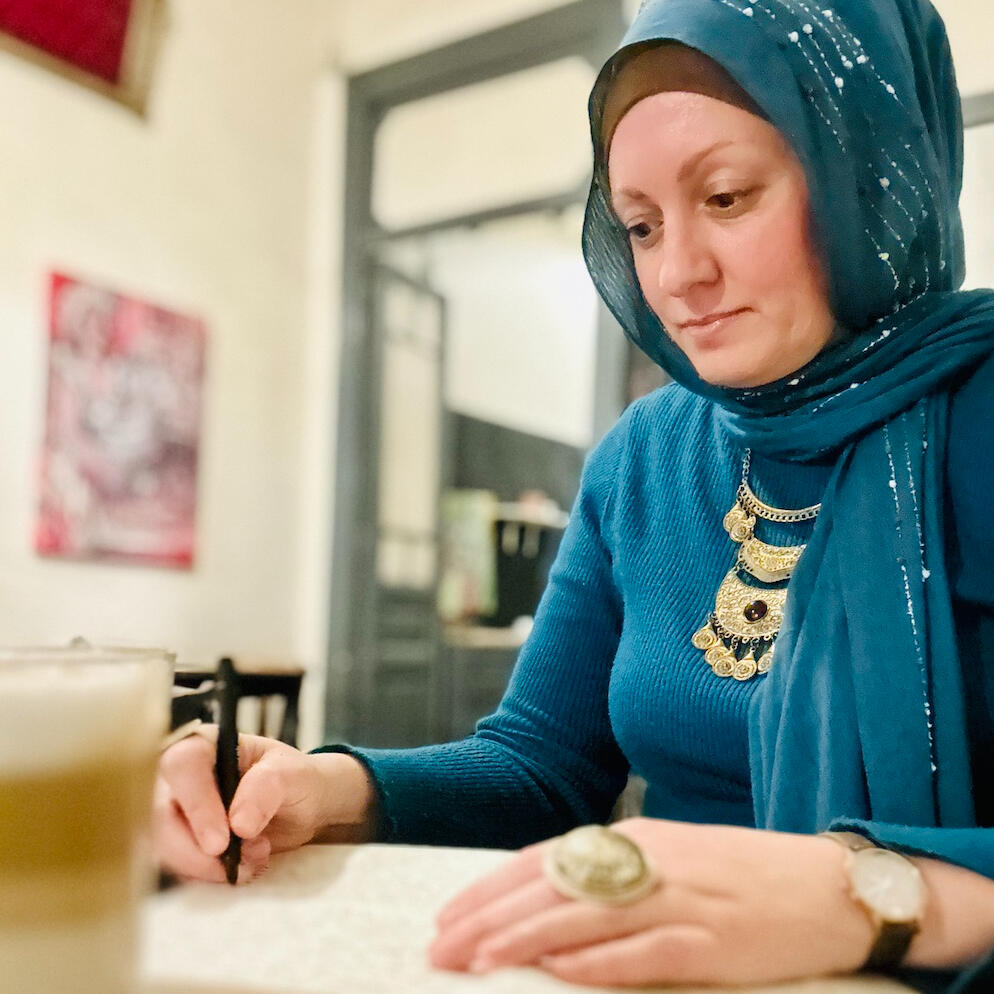
I write about embodied devotional practices, forgotten feminine lineages, and alternative histories within the Abrahamic religious traditions.
*In the past, I launched and sold my digital books on my temple site. Currently, all works are available by request for private sale.
If interested, please submit a contact form.
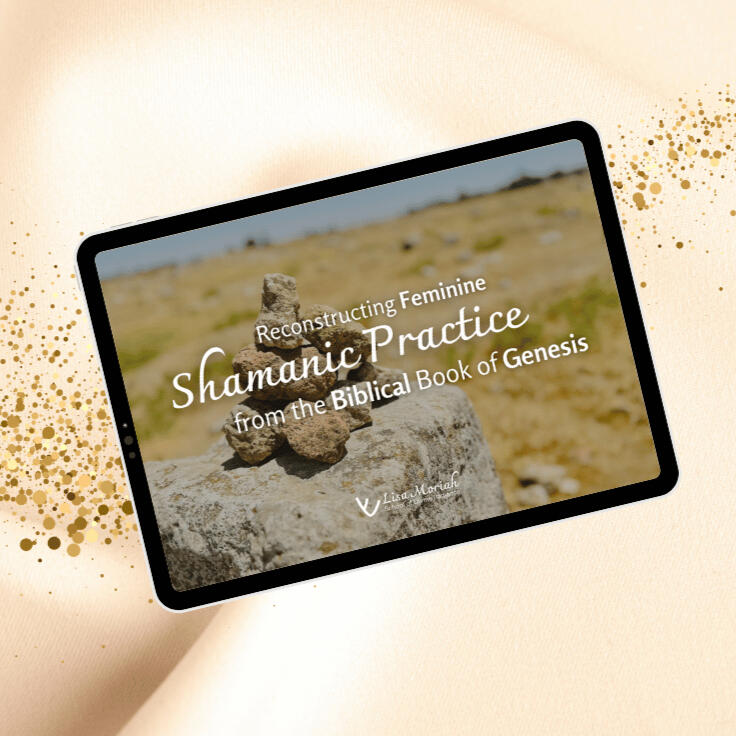
RECONSTRUCTING FEMININE SHAMANIC PRACTICE
from the Biblical Book of Genesis
From stone pillars and sacred oil, to family deities, land covenants and more: reimagine the patriarchs and matriarchs of the Bible as shamanic practitioners in relationship with the earth.
(2024)
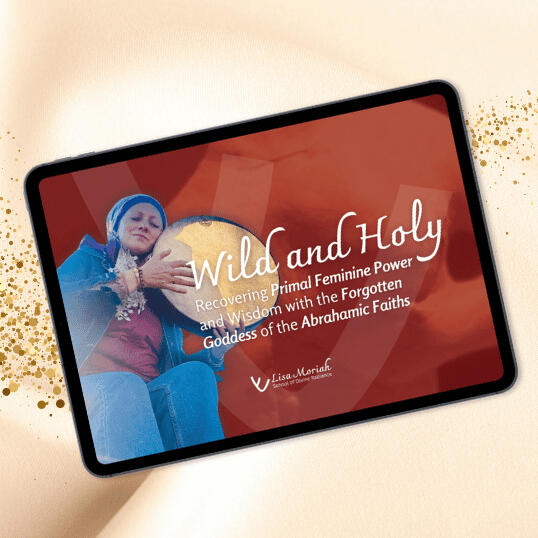
WILD AND HOLY
Recovering Primal Feminine Power
and Wisdom with the Forgotten Goddess
of the Abrahamic Faiths
Meet the surprising "Goddess of Abraham" ... a coherent possible identity for the divinity who birthed Judaism, Christianity, and Islam. A great first look at El(oah) Shaddai as a primal goddess, before diving into my in-depth book SHADDAI.
(2024)
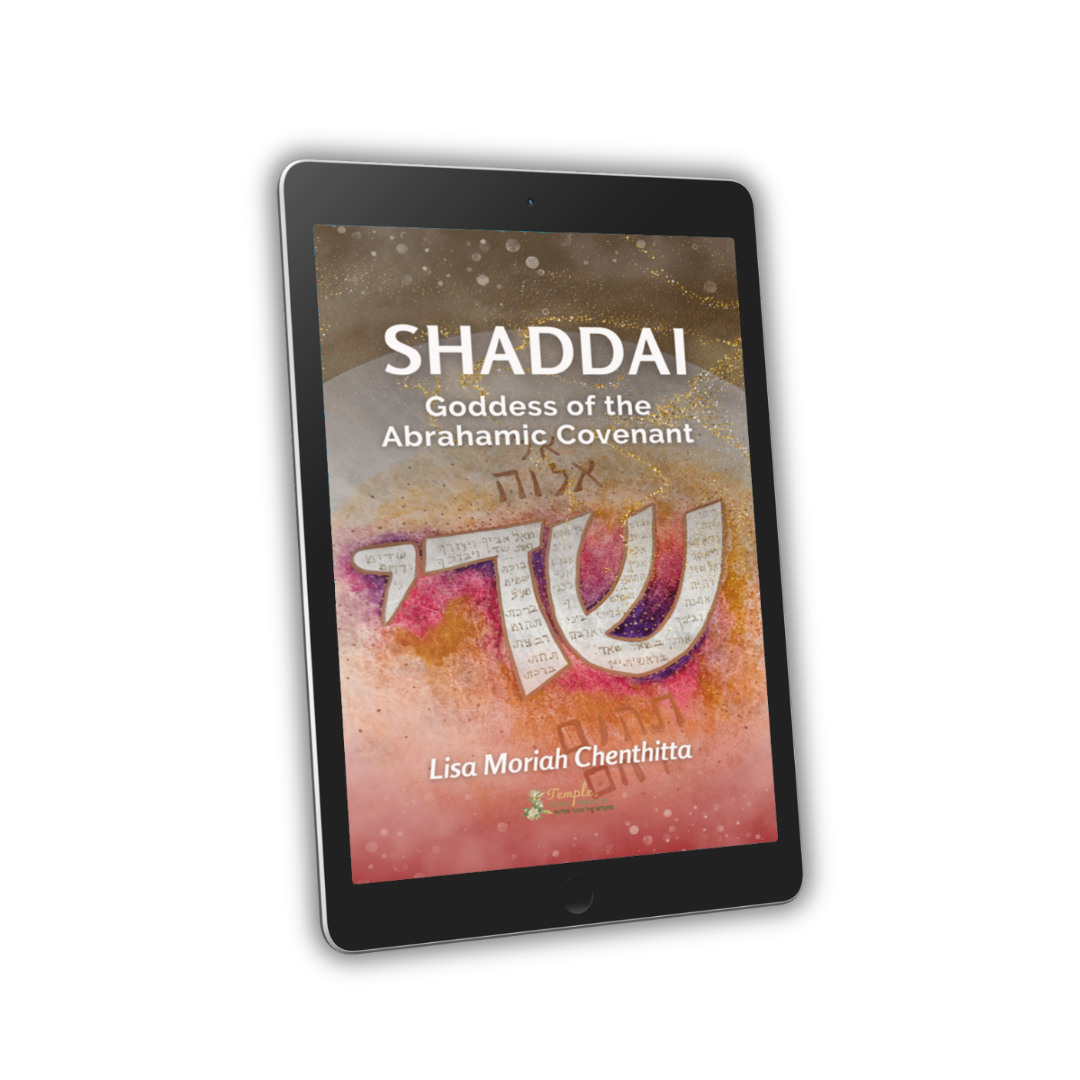
SHADDAI
Goddess of the Abrahamic Covenant
Travel back to 1900 BCE as Prophet / Patriarch Abraham receives his famous covenant, and explore an "alternative herstory" of his journey with El Shaddai as a goddess, backed by analysis of the 40+ mentions of Her across the Bible.
(2023)
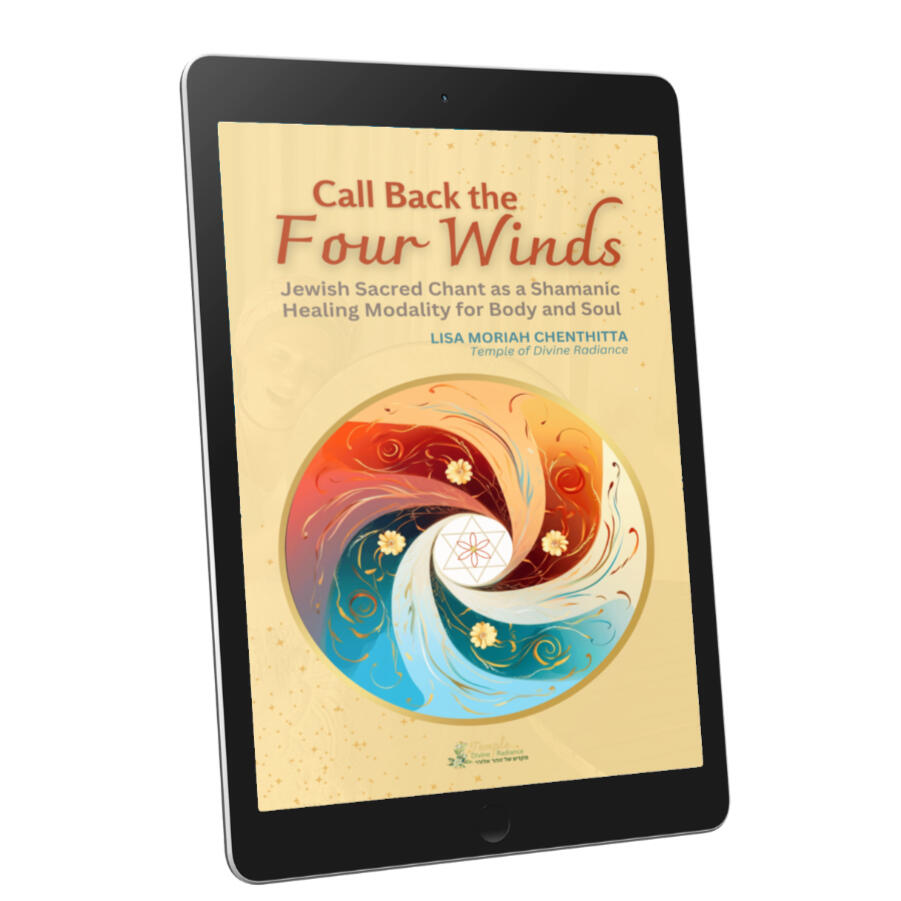
CALL BACK THE FOUR WINDS
Jewish Sacred Chant as a Shamanic
Healing Modality for Body & Soul
Sacred sounds can change us from the inside out. Rediscover the healing power of sacred chant with this insightful journey into the history, science and medicine of sacred sounds cherished in Jewish tradition for generations
(2023)
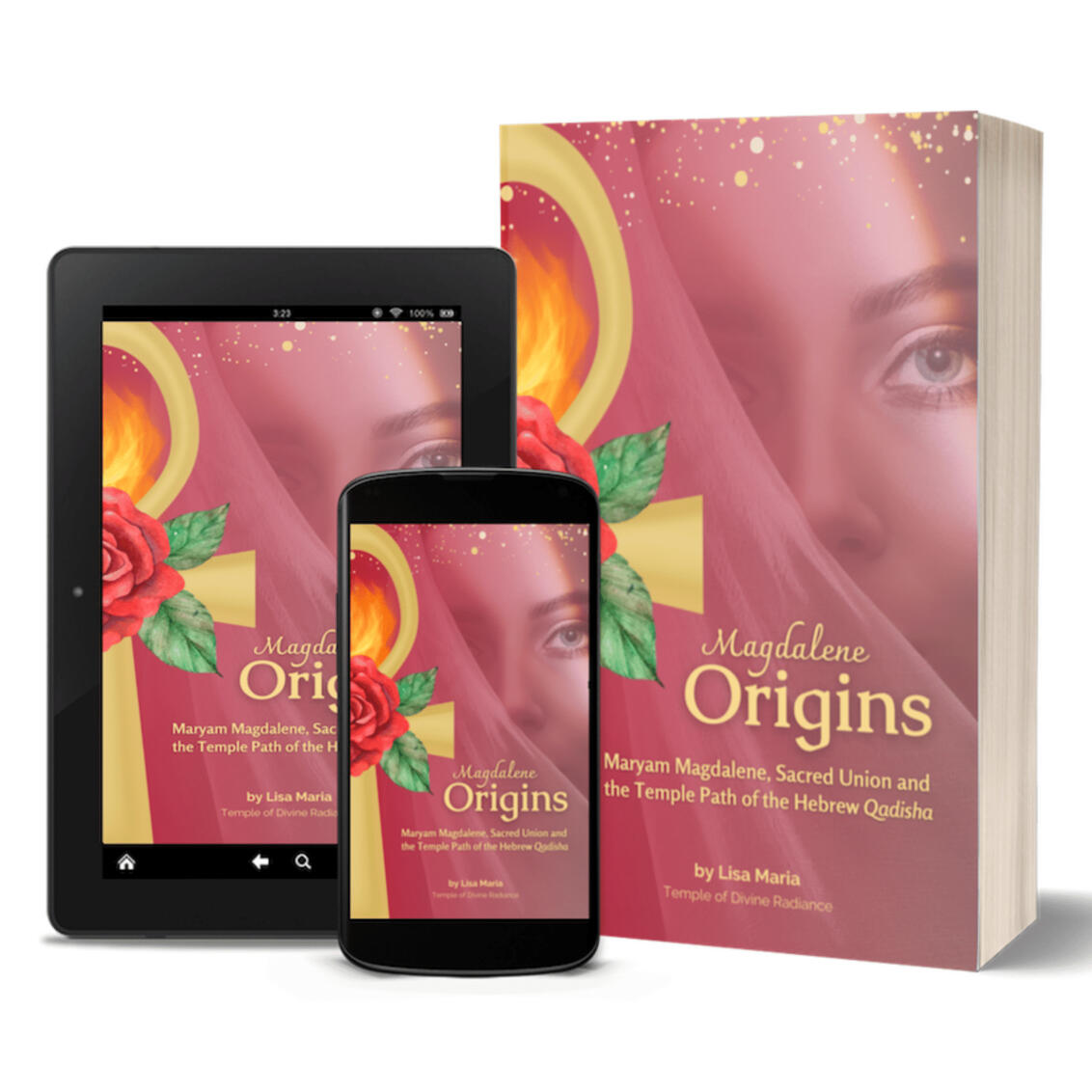
MAGDALENE ORIGINS
Maryam Magdalene, Sacred Union and the
Temple Path of the Hebrew Qadesha
Maryam Magdalene: was she a Christian icon, or Hebrew a priestess? It's time to re-envision the Beloved of Yeshua in a new light as we trace Magdalene’s forgotten roots in the pre-Judaic mysticism of the First Temple.
(2022)
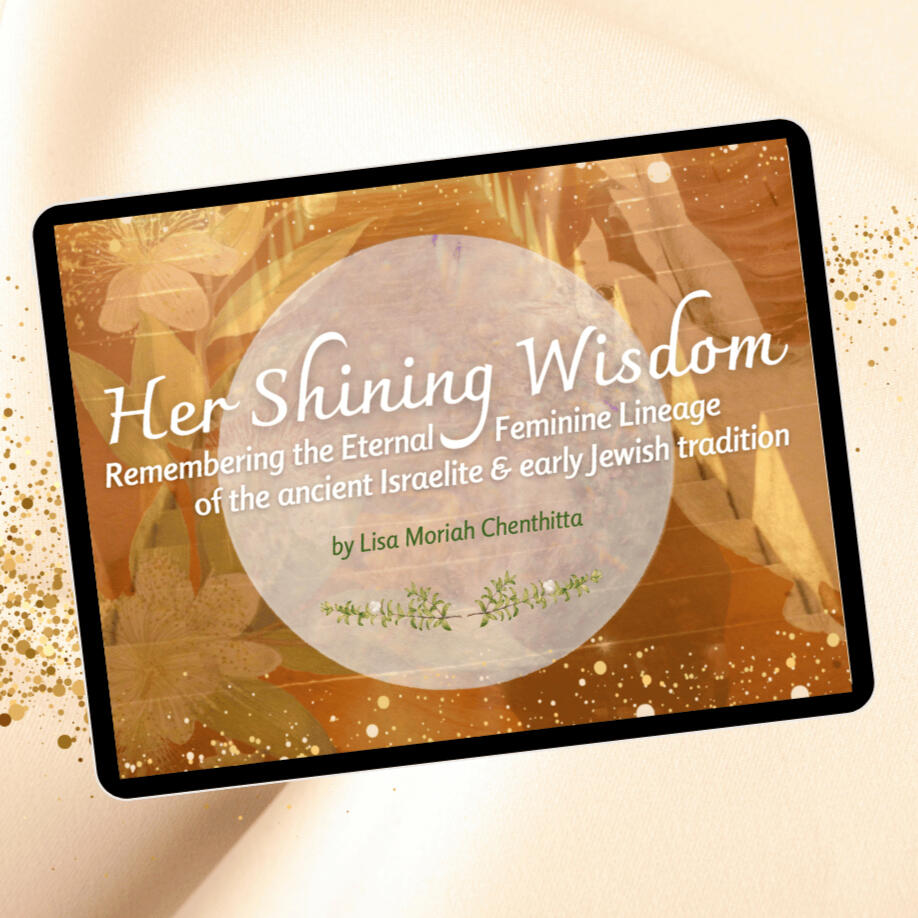
HER SHINING WISDOM
Remembering the Eternal Feminine
Lineage of the Ancient Israelite
and early Jewish Tradition
Goddess has always been with us in the Abrahamic faiths. Explore the Divine Feminine presence in the Hebrew Bible and other early texts ... featuring the goddess known as Asherah or Wisdom.
(2022)
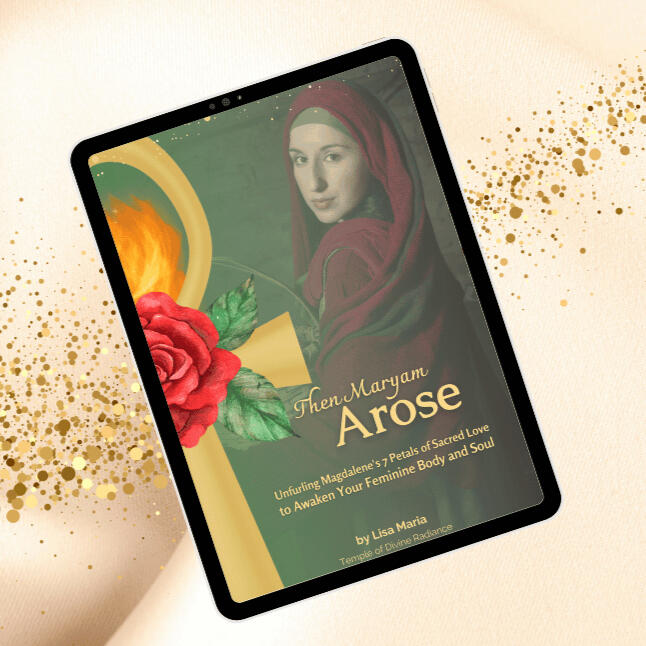
THEN MARYAM AROSE
Unfolding Magdalene's 7 Petals of
Sacred Love to Awaken Your
Feminine Body and Soul
We often say that Maryam Magdalene knew how to love. But what if her greatest legacy were really her capacity to receive love ? Join me to explore an embodied approach to feminine receptivity.
(2021)
Podcast
The Jewish Sufi Pilgrim launched in 2026.
This podcast welcomes you to a journey between shul and shrine. Come joyfully explore the shared spiritual and soundscapes of Jewish and Islamic mysticism.With writer, musician, and desert devotional scholar Lisa England, the podcast traces the paths where Jewish mystics, Sufi seekers, poets, and musicians met across the Silk Road and the medieval Islamic world. Through history, poetry, sacred music, sacred text, and spiritual philosophy, each episode deepens one central question:What does it mean to walk the path of devotion across (or between, or in the margins of) confessional lines?From Abraham Abulafia and Yunus Emre to Mevlevi dhikr and Judeo-Persian poetry; from Moses de Leon and Ibn Arabi to the Zohar, the Masnavi, and the music of Central Asia — this podcast follows the living threads that connect Jewish and Sufi spirituality.Episodes are released as part of an ongoing exploration of Desert Devotion.Learn more, get audio links and read transcripts here:
Prior Podcast Work:
For a taste of my speaking and podcasting work outside of The Jewish Sufi Pilgrim, please enjoy these sample clips from past podcast concepts which are no longer available publicly.
THE MESOPOTAMIAN HAND DRUM
Medicine Tool for Women of the Desert Traditions
REVIVING THE MAGIC OF
ANCIENT TEMPLE CHANTS
Returning the Voices of Our Ancestors to our Bodies
SACRED LAND, SOUND
AND THE GODDESS
The Earth as Partner and Medicine for Healing
THE SACRED SOUND OF SENSUALITY
An Interview with Somatic Coach Sheeana Leigh
Contact
I welcome questions, ideas and shared stories.
Book or course purchases can also be requested.
Please write to me at: